VIS-VIT
Categories: Tablets
VIS-VIT
Lutein, Zeaxanthin, Lycopene, Vitamin A, Vitamin D3 & Vitamin E

Gluten Free

Sugar Free

Non-GMO
Third Party
Tested
100% Natural
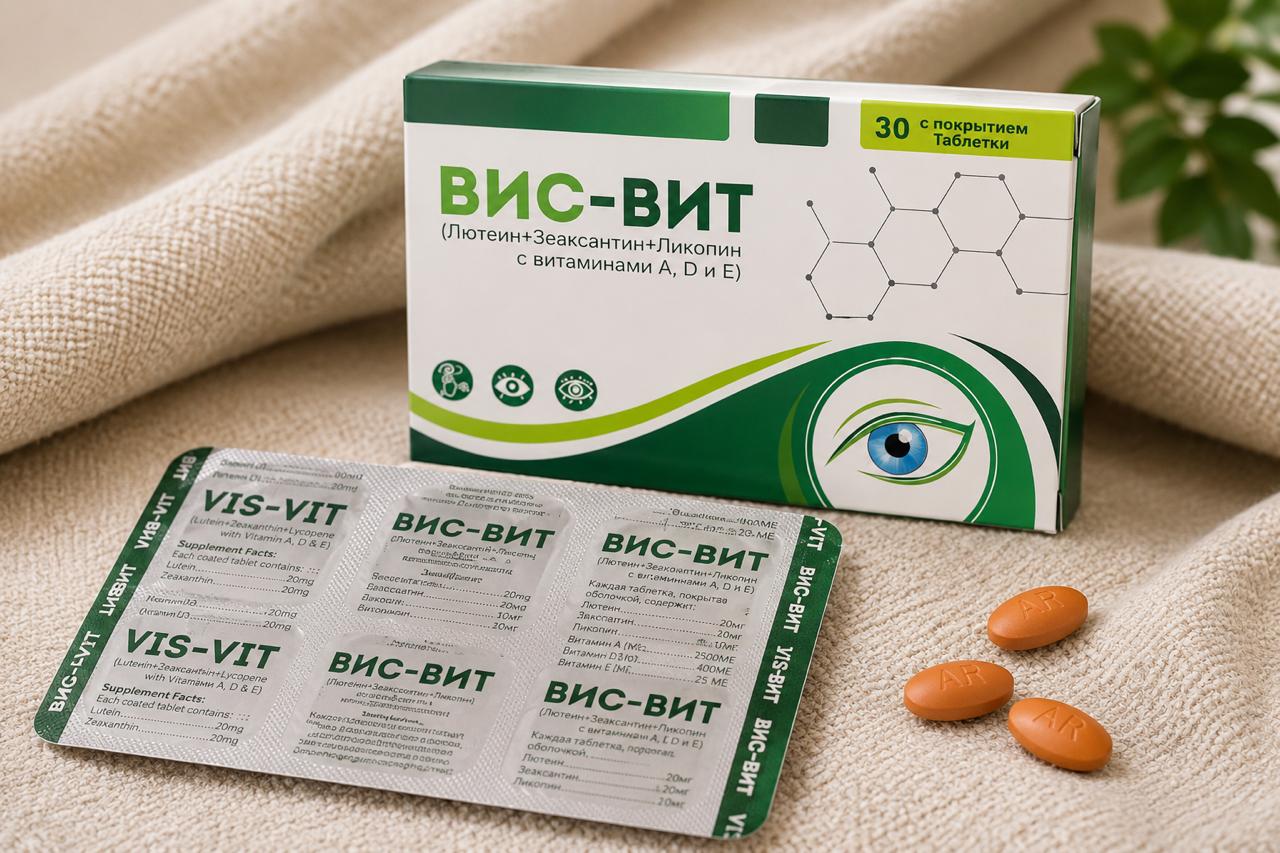
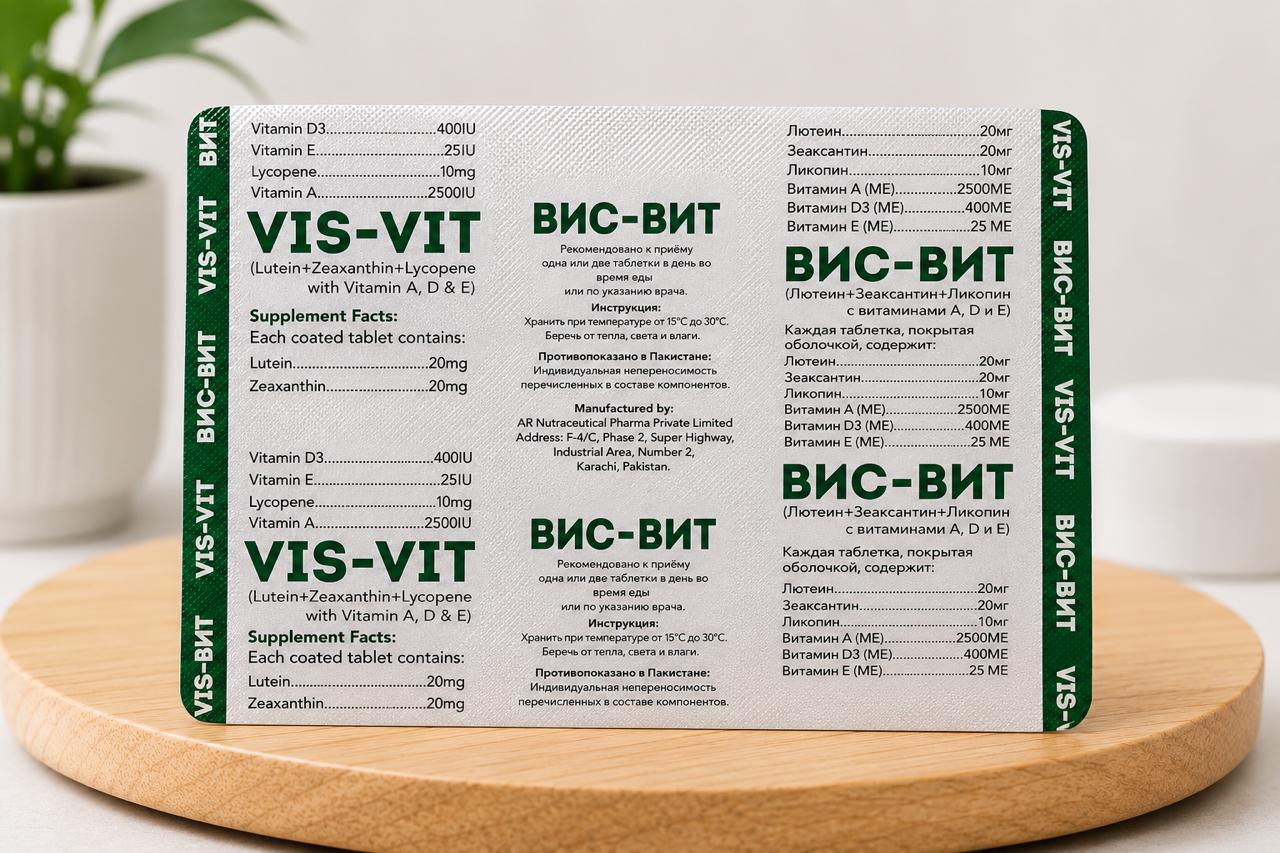
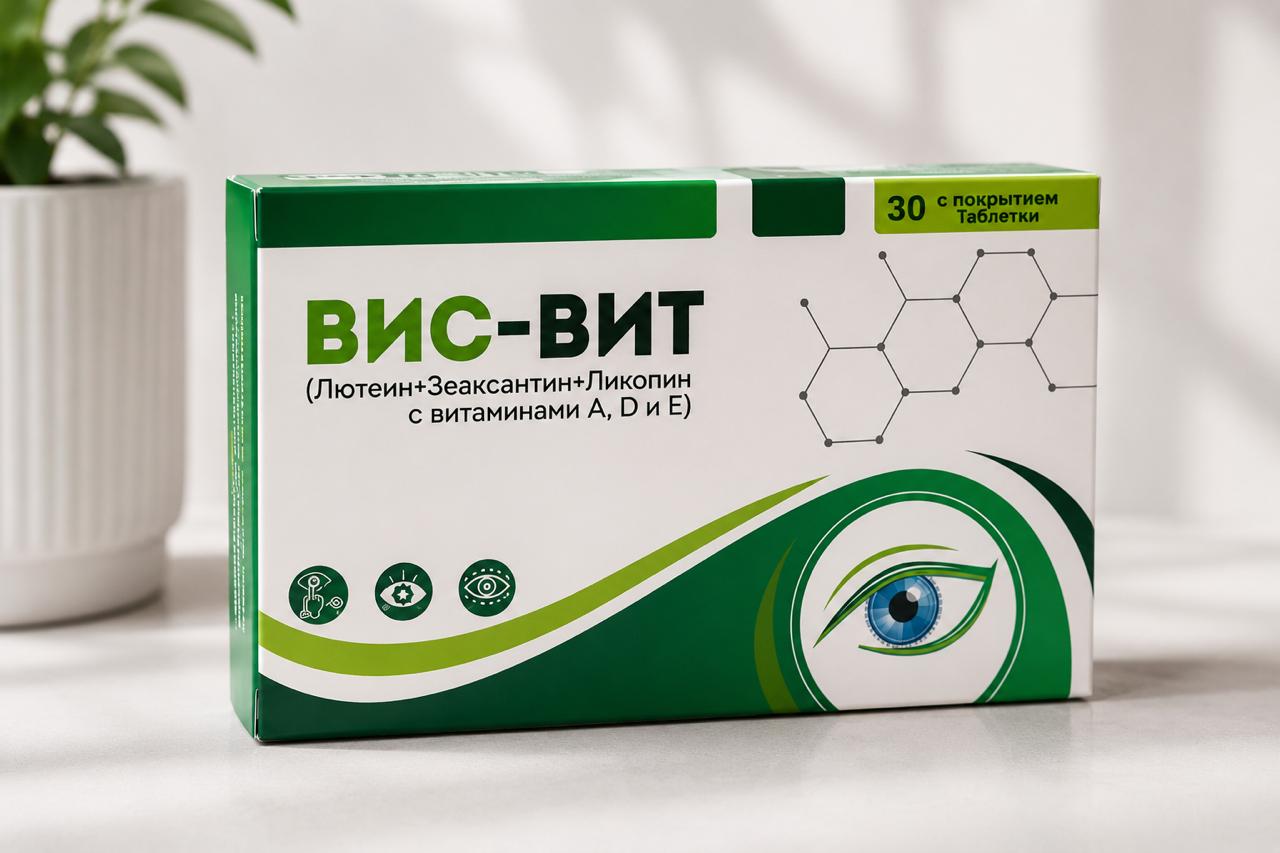
VIS-VIT tablet is a Camel colour, coated, Oval shaped tablet, marked with A.R on one side and plan on other side containing Lutein, Zeaxanthin, Lycopene, Vitamin A, Vitamin D3 & Vitamin E and 3 x 10’s tablets are packed in alu-alu blister and is packed into unit carton along with a leaflet.
MANUFACTURED BY:
A.R. Nutraceutical Pharma (Pvt.) Ltd.
F-4/C Phase -II, Superhighway Industrial Zone, S.I.T.E-2 Karachi, Pakistan.
Registered as “Food Supplement / Nutraceuticals / Nutraceutical Supplements. Not for the treatment of any disease.
COMPOSITION:
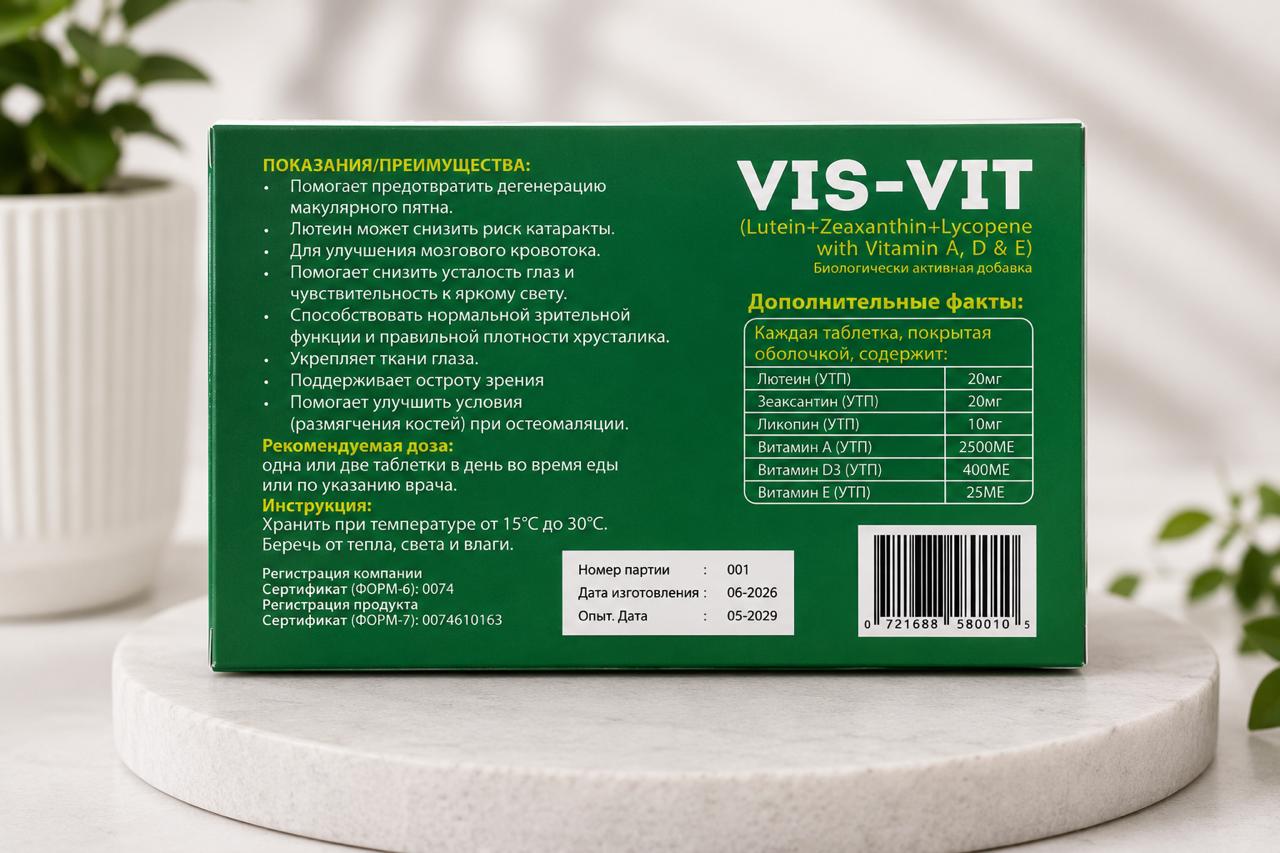
| Active Ingredient | Each Coated Tablet contains |
|---|---|
| Lutein | 20.0 mg |
| Zeaxanthin | 20.0 mg |
| Lycopene | 10.0 mg |
| Vitamin A | 2500 IU |
| Vitamin D3 | 400 IU |
| Vitamin E | 25 IU |
MASTER INGREDIENTS
Lutein
Zeaxanthin
Lycopene
Vitamin A
Vitamin D3
Vitamin
AUXILLARY INGREDIENTS:
Avecil,
PVP K30
Maize Starch
Lactose Monohydrate
Iso propyl Alchol 99%
Deionized water
HPMC
FD & White color (Lake)
Titanium Dioxide
Talcum
DESCRIPTION:
VIS-VIT tablet is a Camel colour, coated, Oval shaped tablet, marked with A.R on one side and plan on other side.
VIS-VIT Tablet is a combination of Lutein, Zeaxanthin, Lycopene, Vitamin A, Vitamin D3 & Vitamin E, while the description of each of the master ingredient is mentioned below:
Lutein and zeaxanthin are widely recommended as dietary supplements to prevent visual loss or eye disease. They’re usually sourced from marigold flowers and mixed with waxes but can also be made synthetically.Zeaxanthin is a type of organic pigment called a carotenoid. It’s related to vitamin A and found in the human eye (macula and retina) along with lutein. Zeaxanthin is thought to function as a light filter, protecting the eye tissues from sunlight damage. Foods rich in zeaxanthin include eggs, oranges, grapes, corn, goji berries, mango, orange pepper, and some other vegetables and fruits.
Lycopene is a type of organic pigment called a carotenoid. It is related to beta-carotene and gives some vegetables and fruits (e.g., tomatoes) a red color.It is a powerful antioxidant that might help protect cells from damage. It’s found in tomato, watermelon, red orange, pink grapefruit, apricot, rose hip, and guava.Lycopene is used for high blood pressure, high cholesterol, cancer, and many other conditions, but there is no good scientific evidence to support most of these uses.
Vitamin A is a fat-soluble vitamin. Its different forms are often called “retinoids.” They include retinol, retinal, retinoic acid, and retinyl ester.Vitamin A is needed for the proper growth and functioning of many parts of the body, including the eyes, skin, and immune system. It can be found in many foods, including fruits, vegetables, and fish. Carotenoids are a group of chemicals found in plants. Some can be converted to vitamin A in the body.People most commonly use vitamin A for treating vitamin A deficiency. It is also used for aging skin, acne, HIV/AIDS, cataracts, child development, infections, and many other conditions.
Vitamin D is an essential vitamin that helps regulate calcium and phosphorus in the body. It also plays a role in maintaining proper bone structure.There are different forms of vitamin D, including ergocalciferol (vitamin D2) and cholecalciferol (vitamin D3). Vitamin D is found in fish, eggs, and fortified milk. It’s also made in the skin when exposed to sunlight. During periods of sunlight, vitamin D is stored in fat and then released when sunlight is not available.Vitamin D supplements are commonly used to treat and prevent vitamin D deficiency.
Vitamin E is a vitamin that dissolves in fat. It is found in many foods including vegetable oils, cereals, meat, poultry, eggs, and fruits.Vitamin E is an important vitamin required for the proper function of many organs in the body. It is also an antioxidant. Vitamin E that occurs naturally in foods (RRR-alpha-tocopherol) is different from man-made vitamin E that is in supplements (all-rac-alpha-tocopherol). Vitamin E is used for treating vitamin E deficiency, which is rare, but can occur in people with certain genetic disorders and in very low-weight premature infants. Vitamin E is also used for many other conditions, but there is no good scientific evidence to support many of these other uses.
INDICATIONS/BENEFITS
• Helps to prevent degeneration of macular spot
• Lutein may reduce the risk of cataracts
• To improve cerebral blood flow
• Helps to reduce eye fatigue and glare sensitivity
• Promote normal visual function and correct lens density
• Strengthens eye tissue
• Supports visual acuity
• Helps to improve the conditions (of bone softening )in osteomalacia
LUTEIN
Possibly Effective for
• An eye disease that leads to vision loss in older adults (age-related macular degeneration or AMD). Taking lutein supplements by mouth for up to 36 months can improve some symptoms of AMD. More benefits might be seen when it’s taken for at least 3 months at doses above 5 mg, and when it’s combined with other carotenoid vitamins. But lutein doesn’t seem to keep AMD from becoming worse over time.
ZEAXANTHIN:
Possibly Effective for
• An eye disease that leads to vision loss in older adults (age-related macular degeneration or AMD). Taking zeaxanthin by mouth as part of a combination product that also contains lutein seems to helps.
LYCOPENE:
Possibly Effective for
• Prostate cancer. Taking lycopene by mouth might slightly reduce the risk of developing prostate cancer. It might also slightly reduce the risk of prostate cancer returning.
VITAMIN D:
Effective for
• A rare, inherited bone disorder marked by low levels of phosphate in the blood (familial hypophosphatemia). Taking specific forms of vitamin D, called calcitriol or dihydrotachysterol, by mouth along with phosphate supplements is effective for treating bone disorders in people with low levels of phosphate in the blood.
• Is effective for increasing calcium blood levels in people with low parathyroid hormone levels
• Softening of the bones (osteomalacia). Taking vitamin D3 by mouth is effective for treating this condition.
• A bone disorder that occurs in people with kidney disease (renal osteodystrophy). It helps to manage low calcium levels and prevent bone loss in people with kidney failure.
• Rickets. Taking vitamin D by mouth is effective for preventing and treating rickets
• Weak and brittle bones (osteoporosis):along with calcium seems to help prevent bone loss and bone breaks in people with osteoporosis.
• Psoriasis. Applying vitamin D in the form of calcitriol, calcipotriene, maxacalcitol, or paricalcitol to the skin can help treat plaque-type psoriasis.
Likely Effective for
Bone loss in people taking drugs called corticosteroids. Taking vitamin D by mouth prevents bone loss in people taking drugs called corticosteroids. Also, taking vitamin D alone or with calcium seems to improve bone density in people with existing bone loss caused by using corticosteroids.
Possibly Effective for
• Cavities. Taking vitamin D2 or D3 by mouth reduces the risk of cavities by 36% to 49% in infants, children, and adolescents.
• Bone loss in people with overactive parathyroid (hyperparathyroidism-related bone loss). Taking vitamin D3 by mouth seems to reduce parathyroid hormone levels and bone loss in people with a condition called hyperparathyroidism.
• Infection of the airways. Taking vitamin D by mouth helps prevent respiratory infections in children.
• Preventing tooth loss (tooth retention). Taking calcium and vitamin D3 by mouth appears to prevent tooth loss in elderly people.
VITAMIN A:
Effective for
Vitamin A deficiency. Taking vitamin A by mouth is effective for preventing and treating vitamin A deficiency.
Possibly Effective for
• Diarrhea. Giving vitamin A by mouth to young children who are at risk of vitamin A deficiency seems to prevent diarrhea. It isn’t clear whether taking vitamin A while breastfeeding can help to prevent diarrhea in the nursing infant.
• Measles. Taking vitamin A by mouth seems to reduce the risk of measles, its complications, and death in young children with vitamin A deficiency.
• Ability to see in low-light conditions. Taking vitamin A by mouth during pregnancy seems to reduce night blindness by 37% in malnourished adults. Vitamin A might work better for this condition when taken with zinc.
• White patches inside the mouth that are usually caused by smoking (oral leukoplakia). Taking high-dose vitamin A by mouth can help treat these lesions.
• Death from any cause. Taking high-dose vitamin A by mouth reduces the risk of death in children under 5 years of age who are at risk for vitamin A deficiency. Taking vitamin A doesn’t seem to reduce the risk of death in healthy adults.
• Complications after childbirth. Taking vitamin A by mouth before, during, and after pregnancy reduces diarrhea and the risk of death after giving birth in malnourished adults.
• An inherited eye condition that causes poor night vision and loss of side vision (retinitis pigmentosa). Taking vitamin A by mouth can slow the progression of an eye disease that causes damage to the retina.
• A type of inflammatory bowel disease (ulcerative colitis). Taking vitamin A by mouth daily for 2 months can reduce symptoms in adults with ulcerative colitis.
VITAMIN E:
Effective for
• An inherited condition that affects motor control (ataxia with vitamin E deficiency or AVED). Taking vitamin E by mouth is effective for treating vitamin E deficiency due to this genetic movement disorder.
• Taking vitamin E by mouth is effective for preventing and treating vitamin E deficiency.
• Alzheimer disease. Taking vitamin E supplements by mouth doesn’t seem to prevent Alzheimer disease from developing. But in people who already have Alzheimer disease, taking vitamin E along with some anti-Alzheimer medicines might slow down memory loss.
• A blood disorder that reduces levels of protein in the blood called hemoglobin (beta-thalassemia).Taking vitamin E by mouth seems to benefit children with this blood disorder.
• Menstrual cramps (dysmenorrhea). Taking vitamin E by mouth for 2 days before bleeding and for 3 days after bleeding starts seems to decrease pain and reduce menstrual blood loss.
• Taking vitamin E by mouth while following an exercise program seems to decrease muscle damage caused by exercise.
• An inherited disorder that causes red blood cells to break down in response to stress (G6PD deficiency). Taking vitamin E by mouth, alone or together with selenium, might benefit people with this condition.
• Taking vitamin E by mouth seems to reduce the risk of bleeding in the skull (intracranial hemorrhage) in premature infants.
• Bleeding into or around the fluid-filled areas (ventricles) of the brain (intraventricular hemorrhage). Giving vitamin E by mouth to premature infants can reduce the risk for bleeding into the brain. But giving high doses of vitamin E might increase the risk for a serious blood infection (sepsis) in these infants.
• Taking vitamin E by mouth daily can help prevent nitrate tolerance.
• Swelling (inflammation) and buildup of fat in the liver in people who drink little or no alcohol (nonalcoholic steatohepatitis or NASH). Taking vitamin E by mouth daily seems to improve inflammation and liver markers of this form of liver disease in adults and children.
• Taking vitamin E by mouth seems to reduce anxiety, craving, depression, fatigue, and irritability in some people with Premenstrual syndrome (PMS).
• Taking vitamin E by mouth seems to improve symptoms associated a movement disorder often caused by antipsychotic drugs (tardive dyskinesia).
LUTEIN:
Lutein is likely safe when taken by mouth. Consuming up to 20 mg of lutein daily as part of the diet or as a supplement appears to be safe.
ZEAXANTHIN:
Zeaxanthin is likely safe when used in doses up to 2 mg daily. It is possibly safe when taken in larger doses. Doses up to 10 mg daily seem to be safe when used for up to 1 year.
LYCOPENE:
When taken by mouth: Lycopene is commonly consumed in certain fruits and vegetables. When taken in supplements, doses of 15-45 mg daily have been safely used for up to 6 months.
VITAMIN A:
When taken by mouth: Vitamin A is likely safe when taken in amounts less than 10,000 units (3,000 mcg) daily. Vitamin A is available in two forms: pre-formed vitamin A (retinol or retinyl ester) and provitamin A (carotenoids). The maximum daily dose relates to only pre-formed vitamin A. Pre-formed vitamin A is possibly unsafe when taken in doses greater than 10,000 units (3,000 mcg) daily. Higher doses might increase the risk of side effects. Long-term use of large amounts might cause serious side effects including mental changes.
When applied to the skin: Vitamin A is possibly safe when used short-term. Retinol 0.5% serum has been used daily for up to 12 weeks without serious side effects.
VITAMIN D:
When taken by mouth: Vitamin D is likely safe when taken in recommended amounts. Most people don’t experience side effects with vitamin D, unless too much is taken. Some side effects of taking too much vitamin D include weakness, dry mouth, nausea, vomiting, and others. Taking vitamin D for long periods of time in doses higher than 4000 IU (100 mcg) daily is possibly unsafe and may cause very high levels of calcium in the blood.
VITAMIN E:
When taken by mouth: Vitamin E is likely safe for most people when taken in doses lower than 1000 mg daily. This is the same as 1100 IU of synthetic vitamin E (all-rac-alpha-tocopherol) or 1500 IU of natural vitamin E (RRR-alpha-tocopherol). The risk of side effects increases with higher doses. Side effects can include nausea, fatigue, headache, and bleeding. Vitamin E is possibly unsafe when taken in doses greater than 1000 mg daily.
When applied to the skin: Vitamin E is likely safe for most people. When inhaled: Vitamin E is possibly unsafe. Use of e-cigarettes and other vaping products containing vitamin E acetate has been linked to serious lung injury in some people.
LUTEIN:
Pregnancy and breast-feeding: Lutein is likely safe when used in the amounts found in food.
Children: Lutein is likely safe when taken by mouth in appropriate amounts. A specific product (LUTEINofta, SOOFT Italia SpA) containing lutein 0.14 mg daily has been safely used in infants for 36 weeks.
ZEAXANTHIN:
Pregnancy and breast-feeding: Zeaxanthin is commonly consumed in foods. There isn’t enough reliable information to know if zeaxanthin is safe to use as medicine while pregnant or breast-feeding. Stay on the safe side and stick to food amounts.
Children: Zeaxanthin is possibly safe when taken by mouth in appropriate amounts. A specific product (LUTEINofta, SOOFT Italia SpA) containing zeaxanthin 0.0006 mg daily has been safely used in infants for 36 weeks.
LYCOPENE:
When taken by mouth: Lycopene is commonly consumed in certain fruits and vegetables. When taken in supplements, doses of 15-45 mg daily have been safely used for up to 6 months.
Pregnancy and breast-feeding: Lycopene is likely safe during pregnancy and breast-feeding when eaten in typical food amounts. There isn’t enough reliable information to know if lycopene supplements are safe to use when pregnant or breast-feeding. Stay on the safe side and stick to food amounts. Surgery: Lycopene might slow blood clotting. It might increase the risk of bleeding during and after surgery. Stop using lycopene supplements at least 2 weeks before a scheduled surgery
VITAMIN A:
When taken by mouth: Vitamin A is likely safe when taken in amounts less than 10,000 units (3,000 mcg) daily. Vitamin A is available in two forms: pre-formed vitamin A (retinol or retinyl ester) and provitamin A (carotenoids). The maximum daily dose relates to only pre-formed vitamin A. Pre-formed vitamin A is possibly unsafe when taken in doses greater than 10,000 units (3,000 mcg) daily. Higher doses might increase the risk of side effects. Long-term use of large amounts might cause serious side effects including mental changes.
When applied to the skin: Vitamin A is possibly safe when used short-term. Retinol 0.5% serum has been used daily for up to 12 weeks without serious side effects.
Pregnancy and breast-feeding: Vitamin A is likely safe when taken in recommended amounts of less than 10,000 units (3,000 mcg) of pre-formed vitamin A daily. Larger amounts are possibly unsafe and can cause birth defects. Monitor vitamin A intake from all sources during the first three months of pregnancy. Forms of vitamin A are found in several foods including animal liver, some fortifiedbreakfast cereals, and dietary supplements
Children: Vitamin A is likely safe when taken in the recommended amounts. The maximum amounts of vitamin A that are safe for children are based on age. Vitamin A is possibly unsafe for children when taken by mouth in high doses. Taking high doses can cause side effects, including irritability, sleepiness, diarrhea, and other problems
Excessive use of alcohol: Drinking alcohol might increase vitamin A’s potentially harmful effects on the liver.
Disorders in which the body does not absorb fat properly: People with conditions that affect fat absorption are not able to absorb vitamin A properly. These conditions include celiac disease, short gut syndrome, jaundice, cystic fibrosis, pancreatic disease, and cirrhosis of the liver. If you have one of these conditions, take water-soluble forms of vitamin A, called carotenoids, instead.
Iron deficiency: Iron deficiency might affect the body’s ability to use vitamin A.
Liver disease: Too much vitamin A might make liver disease worse. Do not take vitamin A supplements if you have liver disease.
Malnutrition: In people with severe protein malnutrition, taking vitamin A supplements might result in having too much vitamin A in the body.
Zinc deficiency: Zinc deficiency might cause symptoms of vitamin A deficiency. Taking a combination of vitamin A and zinc supplements might be necessary to improve this condition.
VITAMIN E:
Breast-feeding: Vitamin E is likely safe when taken by mouth in recommended daily amounts. The maximum recommended amount of vitamin E while breast-feeding is 800 mg in those 14-18 years of age and 1000 mg in those older than 18 years of age. Vitamin E is possibly unsafe when taken in doses greater than the maximum recommended amount.
Children: Vitamin E is likely safe when taken by mouth appropriately. But children should avoid taking doses of vitamin E higher than the daily upper limits. These limits are 300 IU in children 1-3 years of age, 450 IU in children 4-8 years of age, 900 IU in children 9-13 years of age, and 1200 IU in children 14-18 years of age
Bleeding disorders: Vitamin E might make bleeding disorders worse. If you have a bleeding disorder, avoid taking vitamin E supplements.
Heart disease: Vitamin E might increase the risk for death in people with a history of heart disease. People with a history of heart disease should avoid taking doses of vitamin E greater than 400 IU daily.
Diabetes: Vitamin E might increase the risk for heart failure in people with diabetes. People with diabetes should avoid taking doses of vitamin E greater than 400 IU daily.
Head and neck cancer: Vitamin E might increase the chance that this cancer will return. Do not take vitamin E supplements in doses greater than 400 IU daily.
Weak and brittle bones (osteoporosis): Exercise is sometimes used by people with osteoporosis to improve bone strength. Exercising and taking high doses of vitamin E and vitamin C might lessen the benefits of exercise on bone strength.
Prostate cancer: Vitamin E might increase the chance of developing prostate cancer. The effect of vitamin E in people who currently have prostate cancer isn’t clear, but it might worsen the condition.
An inherited eye condition that causes poor night vision and loss of side vision (retinitis pigmentosa): All-rac-alpha-tocopherol (synthetic vitamin E) 400 IU seems to speed vision loss in people with this condition. But much lower amounts (3 IU) don’t seem to have this effect. If you have this condition, it is best to avoid vitamin E supplements.
Stroke: Vitamin E might increase the risk for death in some people with a history of stroke. People with a history of stroke should avoid taking doses of vitamin E greater than 400 IU daily.
Surgery: Vitamin E might increase the risk of bleeding during and after surgery. Stop using vitamin E supplements at least 2 weeks before a scheduled surgery.
VITAMIN D:
• Hardening of the arteries (atherosclerosis) Taking vitamin D could make this condition worse, especially in people with kidney disease.
• A type of fungal infection called histoplasmosis: Vitamin D might increase calcium levels in people with histoplasmosis. This could lead to kidney stones and other problems.
• High levels of calcium in the blood: Taking vitamin D could make this condition worse.
• Over-active parathyroid gland (hyperparathyroidism): Vitamin D might increase calcium levels in people with hyperparathyroidism.
• Lymphoma: Vitamin D might increase calcium levels in people with lymphoma. This could lead to kidney stones and other problems.
• Kidney disease: Vitamin D might increase calcium levels and increase the risk of “hardening of the arteries” in people with serious kidney disease.
• A disease that causes swelling (inflammation) in body organs, usually the lungs or lymph nodes (sarcoidosis): Vitamin D might increase calcium levels in people with sarcoidosis. This could lead to kidney stones and other problems.
• Tuberculosis: Vitamin D might increase calcium levels in people with tuberculosis. This could lead to kidney stones and other problems.
LUTEIN:
We currently have no information for LUTEIN Interactions.
ZEAXANTHIN:
Moderate Interaction
Be cautious with this combination
Medications for diabetes (Antidiabetes drugs) interacts with ZEAXANTHIN
Taking zeaxanthin along with diabetes medications might cause blood sugar to drop too low.
LYCOPENE
Moderate Interaction
Be cautious with this combination Medications that slow blood clotting (Anticoagulant / Antiplatelet drugs) interacts with Lycopene so might increase the risk of bruising and bleeding.
VITAMIN A:
Major Interaction
Do not take this combination
• Medications for skin conditions (Retinoids) interacts with VITAMIN A Some medications for skin conditions are made from vitamin A. Taking vitamin A and these medications together could cause toxic effects.
Moderate Interaction
Be cautious with this combination
• Antibiotics (Tetracycline antibiotics) interacts with VITAMIN A
Taking very large amounts of vitamin A along with tetracyclines can increase the chance of a serious side effect called intracranial hypertension. But taking normal doses of vitamin A along with tetracyclines does not seem to cause this problem. Do not take large amounts of vitamin A if you are taking antibiotics.
• Medications that can harm the liver (Hepatotoxic drugs) interacts with VITAMIN A
Taking large amounts of vitamin A might harm the liver. Some medications can also harm the liver. Taking high doses of vitamin A along with a medication that can harm the liver might increase the risk of liver damage
• Warfarin (Coumadin) interacts with VITAMIN A
Warfarin is used to slow blood clotting. Large amounts of vitamin A can also slow blood clotting. Taking vitamin A along with warfarin can increase the chances of bruising and bleeding. Be sure to have your blood checked regularly. The dose of your warfarin might need to be changed.
VITAMIN E:
Moderate Interaction
Be cautious with this combination
• Cyclosporine (Neoral, Sandimmune) interacts with VITAMIN E might increase how much cyclosporine the body absorbs. This might increase the effects and side effects of cyclosporine.
• Medications changed by the liver (Cytochrome P450 3A4 (CYP3A4) substrates) interacts with VITAMIN E some medications are changed and broken down by the liver. Vitamin E might change how quickly the liver breaks down these medications. This could change the effects and side effects of these medications.
• Medications for cancer (Chemotherapy) interacts with VITAMIN E : Vitamin E is an antioxidant. There is some concern that antioxidants might decrease the effects of some medications used for cancer. If you are taking medications for cancer, check with your healthcare provider before taking vitamin E.
• Medications that slow blood clotting (Anticoagulant / Antiplatelet drugs) interacts with VITAMIN E Taking vitamin E along with medications that also slow blood clotting might increase the risk of bruising and bleeding.
• Niacin interacts with VITAMIN E: Taking niacin along with the drug simvastatin can increase good cholesterol levels. Taking niacin plus simvastatin along with vitamin E and other antioxidants can decrease the effects of niacin and simvastatin on good cholesterol levels. It is unknown if vitamin E alone decreases the effects of niacin plus simvastatin on good cholesterol levels.
• Warfarin (Coumadin) interacts with VITAMIN E: can increase the chances of bruising and bleeding.
• Antibiotics for Cancer (Antitumor Antibiotics) interacts with VITAMIN E: Vitamin E is an antioxidant. There is some concern that antioxidants might decrease the effects of medications used for cancer.
• Selumetinib (Koselugo) interacts with VITAMIN E: Selumetinib, a drug used for cancer. This could increase the risk of bleeding if taken with vitamin E
VITAMIN D:
Moderate Interaction
Be cautious with this combination
• Aluminum interacts with VITAMIN D: Aluminum is found in most antacids. Vitamin D can increase how much aluminum the body absorbs. This interaction might be a problem for people with kidney disease. Take vitamin D two hours before, or four hours after antacids.
• Calcipotriene (Dovonex) interacts with VITAMIN D: Combination might increase the effects and side effects of calcipotriene.
• Digoxin (Lanoxin) interacts with VITAMIN D: Taking vitamin D along with digoxin might increase the effects and side effects of digoxin.
• Diltiazem (Cardizem, others) interacts with VITAMIN D: Vitamin D helps your body absorb calcium. Calcium can affect the heart. Diltiazem can also affect the heart. Taking large amounts of vitamin D along with diltiazem might decrease the effects of diltiazem.
• Verapamil (Calan, others) interacts with VITAMIN D: Vitamin D helps the body absorb calcium. Calcium can affect the heart. Verapamil can also affect the heart. Do not take large amounts of vitamin D if you are taking verapamil.
• Water pills (Thiazide diuretics) interacts with VITAMIN D: Vitamin D helps the body absorb calcium. Some “water pills” increase the amount of calcium in the body. Taking large amounts of vitamin D along with some “water pills” might cause too much calcium in the body. This could cause serious side effects, including kidney problems.
• Atorvastatin (Lipitor) interacts with VITAMIN D: Vitamin D might decrease how much atorvastatin the body absorbs. Taking vitamin D with atorvastatin might decrease the effects of atorvastatin.
Lutein: It’s most often been used by adults in doses of 10-20 mg by mouth daily, for up to 3 years. Many multivitamins contain lutein. They usually provide a relatively small amount, such as 0.25 mg per tablet. Lutein is absorbed best when it’s taken with a high-fat meal.
Zeaxanthin: It’s most often been used by adults in doses of 2 mg by mouth daily, for up to 4.8 years. Zeaxanthin is absorbed best when it’s taken with a high-fat meal.
Lycopene: A 130 gram serving of fresh tomatoes contains 4-10 mg of lycopene. Ketchup contains 3.3 mg per tablespoon.
Vitamin A: The recommended dietary allowance (RDA) is 900 mcg daily for males and 700 mcg daily for females. While pregnant, the RDA is 770 mcg daily. While breast-feeding, the RDA is 1300 mcg daily. In children, the RDA depends on age.
Vitamin E: The RDA for natural vitamin E (RRR-alpha-tocopherol) in adults is 15 mg (22 IU), 15 mg (22 IU) during pregnancy, and 19 mg (28 IU) when breastfeeding.
Vitamin D: The RDA is 600 IU (15 mcg) daily for people 1-70 years of age and 800 IU (20 mcg) daily for those 71 years and older. While pregnant and breastfeeding, the RDA is 600 IU (15 mcg) daily. In children, the RDA depends on age. Vitamin D is also made in the skin after sun exposure. Spending 15-30 minutes in the sun each day should be enough to maintain normal vitamin D levels for most people.
WARNING:
Use of any product /supplement if cause any adverse reaction, stop use and consult your doctor or diet guidance.
INSTRUCTION / STORAGE AND DISPOSAL:
Store at room temperature between 15ºC and 30ºC.
Keep medicine /supplement away from heat, light and moisture
Do not use after expiry date stated on the label.