COLCAL-D
Categories: Tablets
COLCAL-D
Collagen peptides,Vitamin C, Vitamin D Vitamin E, Vitamin B7, Vitamin B12, Calcium citrate Plus Minerals (Potassium Iodide,Copper sulphate ,Zinc Oxide)

Gluten Free

Sugar Free
Non-GMO
Third Party
Tested
100% Natural
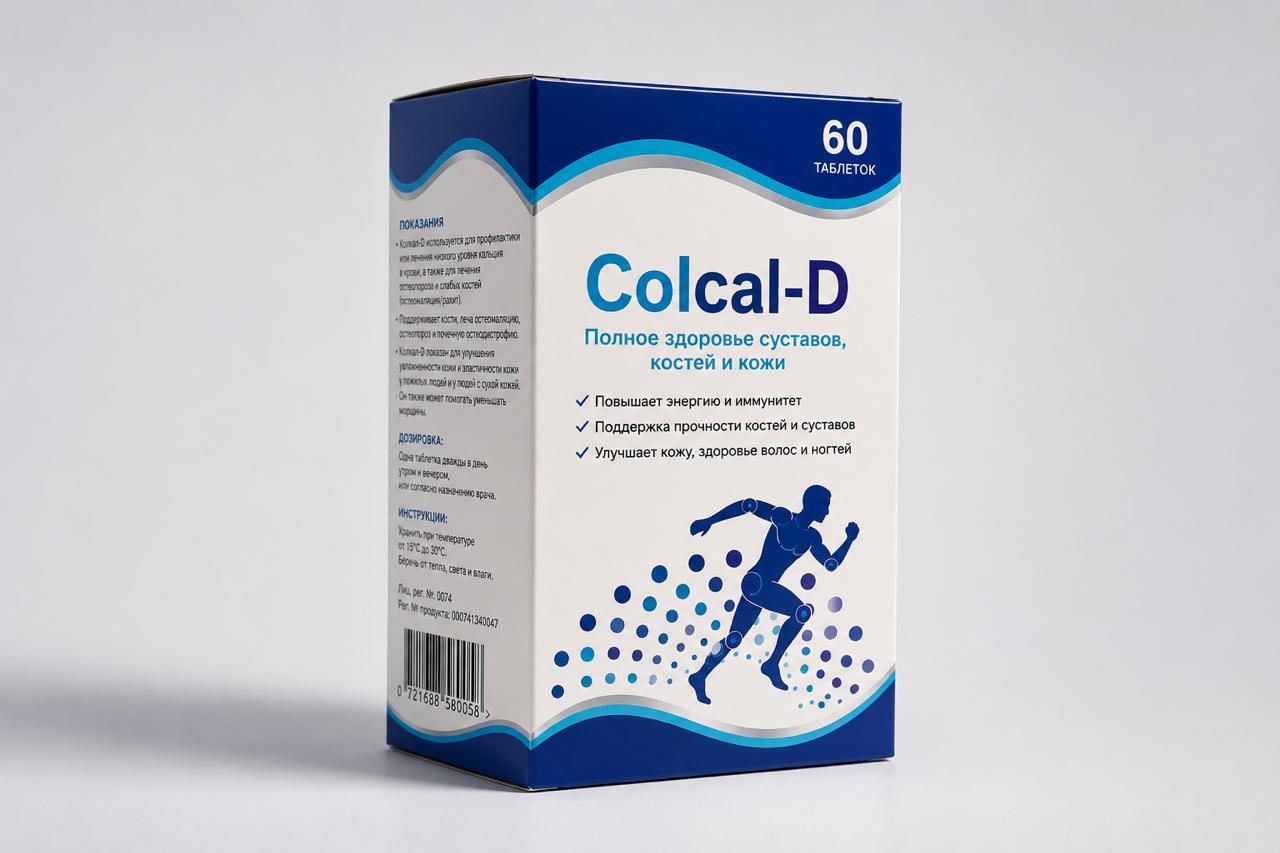
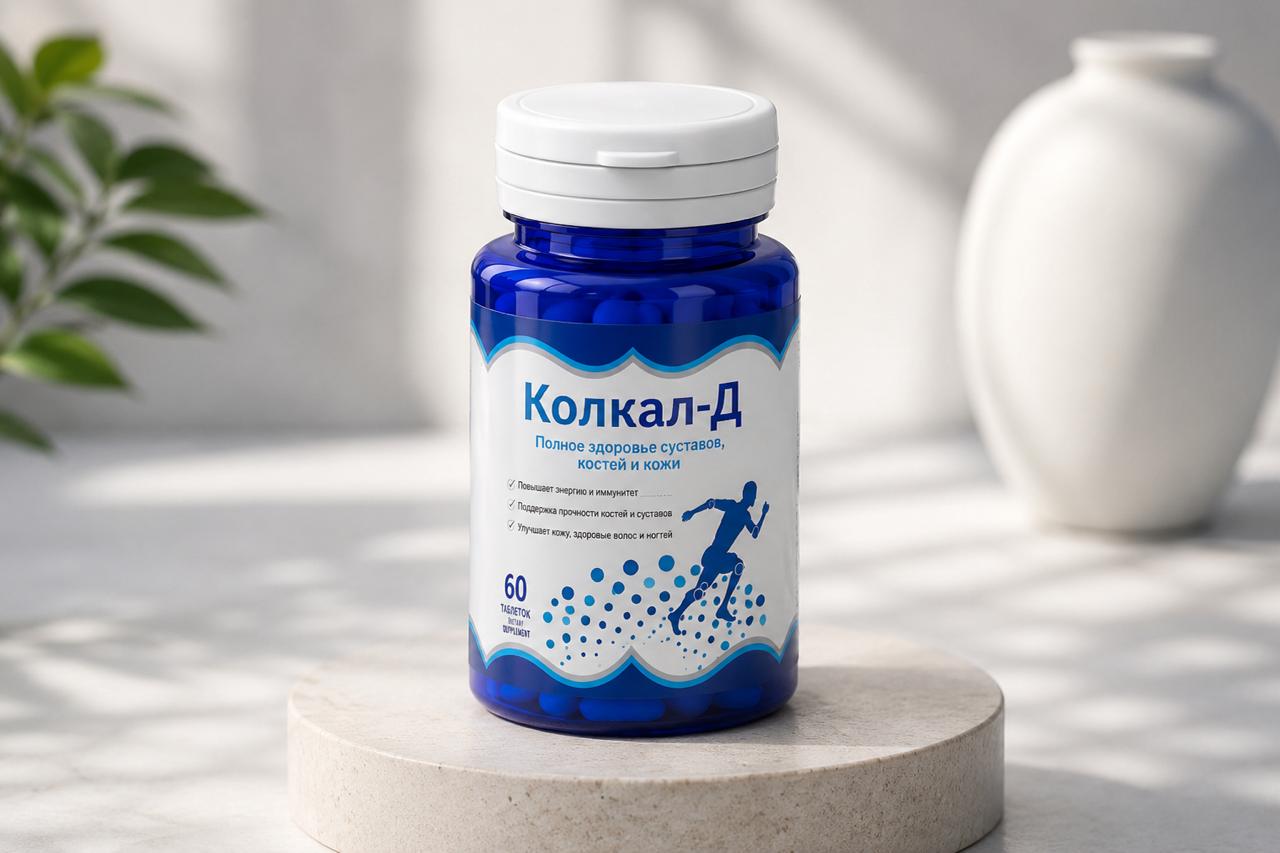
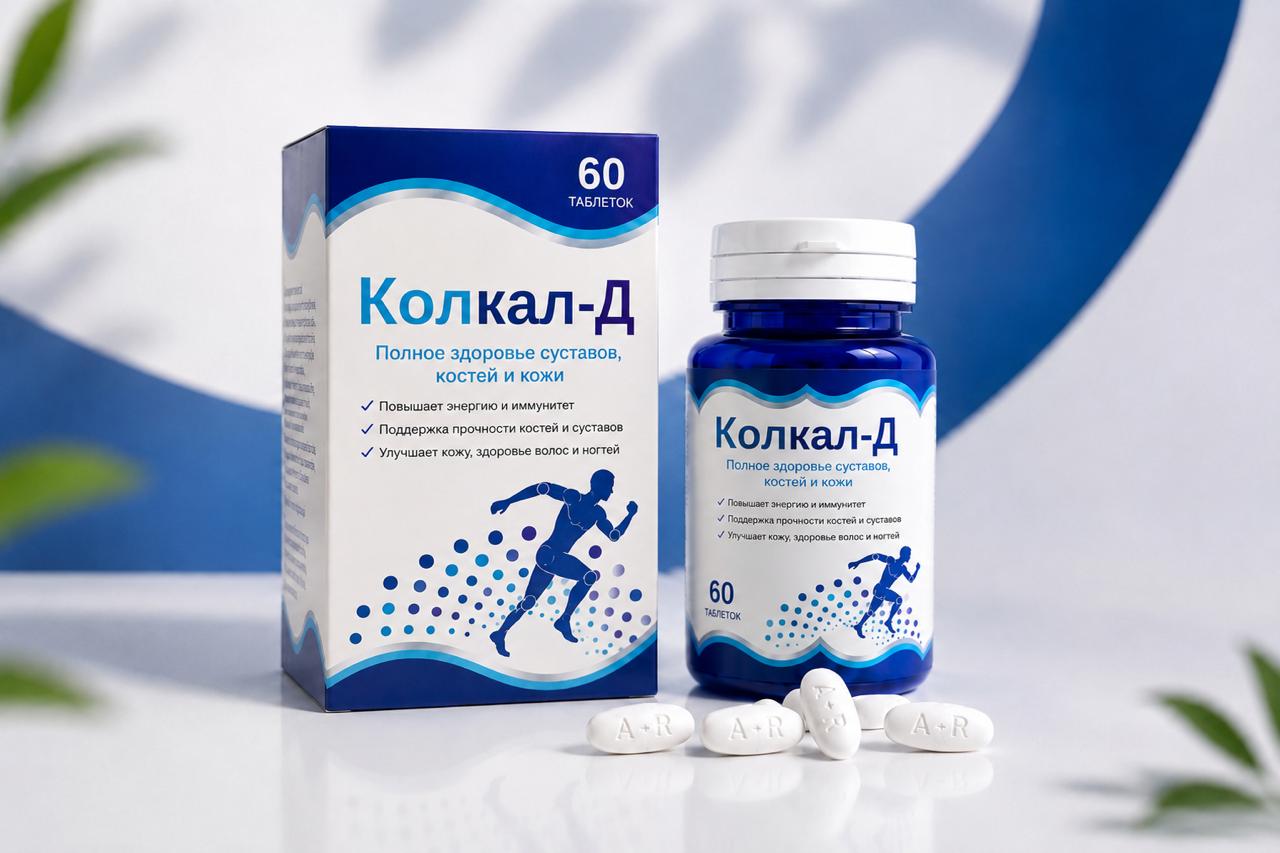
COLCAL-D is White color, biconvex & oblonge shaped coated tablets, Engraved A.R on one side & bisect line on other side. COLCAL-D Coated Tablets is a combination of Collagen peptides, Vitamin C, Vitamin D3, Vitamin E, Vitamin B7, Vitamin B12, Calcium citrate Plus Minerals (Potassium Iodide, Copper sulphate, Zinc Oxide) 60 tablet in blue transparent jar, is packed into unit carton along with a leaflet
MANUFACTURED BY:
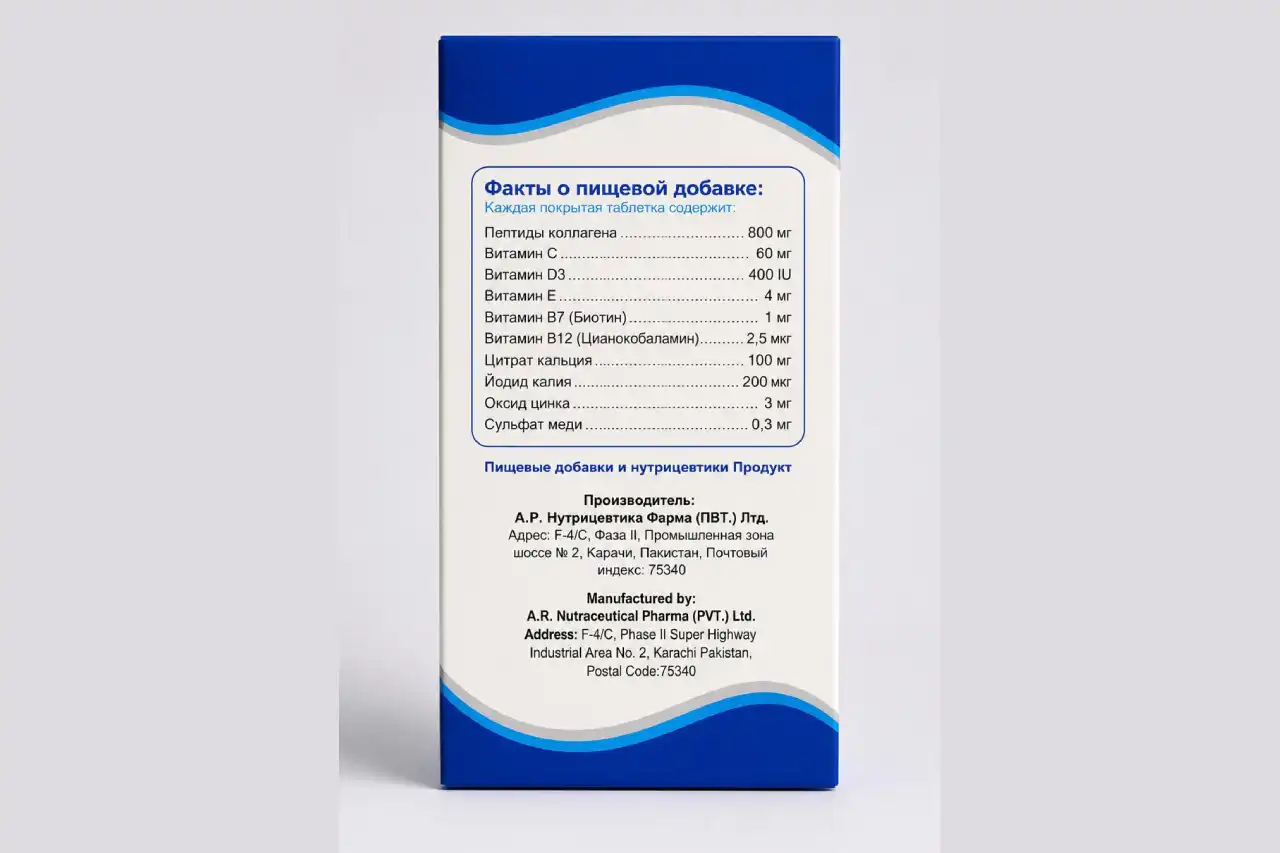
A.R. Nutraceutical Pharma (Pvt.) Ltd.
F-4/C Phase -II, Superhighway Industrial Zone, S.I.T.E-2 Karachi, Pakistan.
Registered/enlisted as “Food Supplement / Nutraceuticals / Nutraceuticals Supplement. Not for the treatment of any disease.
COMPOSITION:
| Active Ingredient | Strength (Per Coated Tablet) |
|---|---|
| Collagen peptides | 800 mg |
| Vitamin C | 60 mg |
| Vitamin D3 | 400 IU |
| Vitamin E | 4 mg |
| Vitamin B7 (Biotin) | 1 mg |
| Vitamin B12 (Cyanocobalamine) | 2.5 mcg |
| Calcium Citrate | 100 mg |
| Potassium Iodide | 200 mcg |
| Zinc Oxide | 3 mg |
| Copper Sulphate | 0.3 mg |
MASTER INGREDIENTS
Collagen peptides
Vitamin C
Vitamin D3
Vitamin E
Vitamin B7 (Biotin
Vitamin B12(Cyanocobalamine)
Calcium Citrate
Potassium Iodide
Zinc Oxide
Copper Sulphate
AUXILLARY INGREDIENTS:
Avecil
PVP K30
Maize Starch
Lactose Monohydrate
Talcum
Magnesium Stearate
Iso propyl Alchol 99%
Deionized water
HPMC
FD&C White color
Titanium Dioxide
PEG 6000
DESCRIPTION:
COLCAL-D is White color, biconvex & oblong shaped coated tablets. Engraved A.R on one side & bisect line on other side.
COLCAL- D Coated Tablets is a combination of Collagen peptides,Vitamin C, Vitamin D, Vitamin E, Vitamin B7, Vitamin B12, Calcium citrate Plus Minerals (Potassium Iodide,Zinc Oxide, Copper sulphate) 60 tablet in blue transparent jar, is packed into unit carton along with a leaflet.
COLLAGEN PEPTIDES:
They are very small pieces of protein from animal collagen. Collagen is one of the materials that makes up cartilage, bone, and skin.
Collagen peptides are made by breaking down whole collagen proteins into smaller pieces. When taken by mouth, collagen peptides seem to build up in the skin and cartilage. This might help improve some skin and joint conditions.
Collagen peptides are used for dry skin, aging skin and osteoarthritis. They are also used for osteoporosis, brittle nails, muscle strength, and many other purposes, but there is no good scientific evidence to support most of these uses.
VITAMIN C :Found in fresh citrus fruits and vegetables is an essential vitamin , plays an important role in maintaining the health of our cells, blood vessels and our resistance to infection (in immune function (may improves symptoms for COVID-19). It helps bones, teeth, gums, skin and assists the absorption of iron from the blood. Used for preventing and treating scurvy, autism, breast cancer, heart disease and other conditions like cold.
VITAMIN D: It is an essential vitamin that helps regulate calcium and phosphorus in the body. is an essential fat-soluble vitamin that helps regulate calcium and phosphorus in the body, found in fish, eggs, and fortified milk. It’s also made in the skin when exposed to sunlight. It also plays a role in maintaining proper bone structure(to help the body absorb and retain calcium and phosphorus) both are critical for building bone.D supplements are commonly used to treat and prevent vitamin D deficiency.
VITAMIN E is a highly effective antioxidant, helping to protect the body from the effects of free radicals. It also helps to maintain healthy skin and blood cells. Found in vegetable oils, cereals, meat, poultry, eggs, and fruits. Vitamin E is an important vitamin required for the proper function of many organs in the body. Vitamin E that occurs naturally in foods (RRR-alpha-tocopherol) is different from man-made vitamin E that is in supplements (all-rac-alpha-tocopherol).
VITAMIN B7 (BIOTIN) supports many of your body’s systems, including your nervous system, liver, eyes, hair, and skin. It helps the enzymes in your body carry out their jobs and keeps cells working as they should.
CYANOCOBALAMINE (VITAMIN B 12):is an essential vitamin found in foods such as meat, fish, and dairy. It can also be made in a lab and is often taken with other B vitamins. It is required for the function and development of many parts of the body, including the brain, nerves, and blood cells.
CALCIUM plays a very important role in the body. It is necessary for normal functioning of nerves, cells, muscle, and bone. If there is not enough calcium in the blood, then the body will take calcium from bones, thereby weakening bones. Calcium citrate malate (CCM) is a calcium supplement that’s a water-soluble complex of calcium, citric acid, and malic acid, known for its good bioavailability and suitability for individuals with low stomach acid or those taking acid-reducing medications
POTASSIUM is sometimes referred to as an electrolyte because it carries a small electrical charge that activates various cell and nerve functions. While IODINE needed to make the thyroid hormones thyroxine and triiodothyronine, which assist with the creation of proteins and enzyme activity.
ZINC OXIDE is found in red meat, poultry, and fish. It’s needed for immune function, wound healing, blood clotting, thyroid function, and much more. It also plays a key role in maintaining vision and might have effects against viruses. Commonly use zinc for zinc deficiency, diarrhea, and Wilson disease.
COPPER helps maintain the nervous and immune systems and activates genes
INDICATIONS / BENEFITS
• Colcal-D is indicated to improve skin hydration and skin elasticity in older & in people with dry skin .
• It might also help reduce wrinkles,
• Colcal-D Tablet is used as a complete nutritional supplement act as anti-aging which helps to make you ever youth
• Improves hair growth, effective for managing hair fall.
• Indicated to prevent complex regional pain syndrome(Limb pain that usually occurs after an injury (complex regional pain syndrome) from developing.
• Used to overcomes minerals deficient
• might prevent upper airway infections that can occur after physical exercise
• might reduce low-density lipoprotein (LDL or “bad”) cholesterol makes healthier
• Supports bones by treating the osteomalacia, osteoporosis, renal osteodystrophy
• Indicated for improving bone density
• Helps preventing and treating vitamin E deficiency and related deficiencies
• It seems to decrease pain and reduce menstrual blood loss.( Menstrual cramps (dysmenorrhea).)decrease muscle damage caused by exercise.
• Indicated for an inherited disorder that causes red blood cells to break down in response to stress (G6PD deficiency).
• Indicated for reducing the risk for Bleeding into or around the fluid-filled areas (ventricles) of the brain (intraventricular hemorrhage) into the brain
• Colcal D can lower blood levels of homocysteine.
• Colcal-D is used to prevent or treat low blood calcium levels to treat (osteoporosis), weak bones (osteomalacia/rickets).
• Indicated to used/ to treat overactive thyroid and to protect the thyroid gland from the effects of radiation
• Helps in improving symptoms acrodermatitis enteropathica (A disorder of zinc deficiency)
• Colcal-D is also indicated for Osteoporosis in older women
• Colcal D is a complete package which is necessary for normal functioning of nerves, cells, muscle, and bone
COLLAGEN PEPTIDE
Possibly Effective for
• Aging skin. Taking collagen peptides by mouth seems to improve skin hydration and skin elasticity in older people. It might also help reduce wrinkles, but it’s not clear if it helps enough to be noticeable.
• Dry skin. Taking collagen peptides by mouth seems to improve skin hydration and skin elasticity in people with dry skin.
VITAMIN C:
treating vitamin C deficiency, including scurvy.
Possibly Effective for
• might help manage anemia (Low levels of red blood cells in people with a long-term illness)IN people undergoing dialysis.
• Irregular heartbeat (atrial fibrillation). before and after heart surgery helps prevent vit.C irregular heartbeat after heart surgery
• It seems to prevent complex regional pain syndrome(Limb pain that usually occurs after an injury (complex regional pain syndrome) from developing.
• Taking vitamin C by mouth before heavy physical exercise, such as a marathon or army training, might prevent upper airway infections that can occur after heavy
exercise.
• Taking vitamin C might reduce low-density lipoprotein (LDL or “bad”) cholesterol in people with high cholesterol.
• help lower systolic blood pressure by a small amount.
• Consuming vitamin C in the diet seems to lower blood levels of lead.
• Taking vitamin C seems to help drugs for chest pain, such as nitroglycerin, to work longer.
• reduce pain during the first 24 hours after surgery.
VITAMIN D:
Effective for
• A rare, inherited bone disorder marked by low levels of phosphate in the blood (familial hypophosphatemia). Taking specific forms of vitamin D, called calcitriol or
dihydrotachysterol, by mouth along with phosphate supplements is effective for treating bone disorders in people with low levels of phosphate in the blood.
• Is effective for increasing calcium blood levels in people with low parathyroid hormone levels.
• Softening of the bones (osteomalacia). Taking vitamin D3 by mouth is effective for treating this condition.
• A bone disorder that occurs in people with kidney disease (renal osteodystrophy). It helps to manage low calcium levels and prevent bone loss in people with kidney
failure.
• Rickets. Taking vitamin D by mouth is effective for preventing and treating rickets.
• Weak and brittle bones (osteoporosis):along with calcium seems to help prevent bone loss and bone breaks in people with osteoporosis.
• Psoriasis. Applying vitamin D in the form of calcitriol, calcipotriene, maxacalcitol, or paricalcitol to the skin can help treat plaque-type psoriasis.
Likely Effective for
Bone loss in people taking drugs called corticosteroids. Taking vitamin D by mouth prevents bone loss in people taking drugs called corticosteroids. Also,
taking vitamin D alone or with calcium seems to improve bone density in people with existing bone loss caused by using corticosteroids.
Possibly Effective for
• Cavities. Taking vitamin D2 or D3 by mouth reduces the risk of cavities by 36% to 49% in infants, children, and adolescents.
• Bone loss in people with overactive parathyroid (hyperparathyroidism-related
bone loss). Taking vitamin D3 by mouth seems to reduce parathyroid hormone levels and bone loss in people with a condition called hyperparathyroidism.
• Infection of the airways. Taking vitamin D by mouth helps prevent respiratory infections in children.
• Preventing tooth loss (tooth retention). Taking calcium and vitamin D3 by mouth appears to prevent tooth loss in elderly people.
VITAMIN E:
Effective for
• treating vitamin E deficiency due to this genetic movement disorder (An inherited condition that affects motor control called ataxia with vitamin E deficiency or
AVED).
• preventing and treating vitamin E deficiency.
• Beta-thalassemia :A blood disorder that reduces levels of protein in the blood called hemoglobin).
• Menstrual cramps (dysmenorrhea).it seems to decrease pain and reduce menstrual blood loss.
• decrease muscle damage caused by exercise.
• An inherited disorder that causes red blood cells to break down in response to stress (G6PD deficiency).
• Reducing the risk of bleeding in the skull (intracranial hemorrhage) in premature infants.
• reducing the risk for Bleeding into or around the fluid-filled areas (ventricles) of the brain (intraventricular hemorrhage) into the brain.
• To prevent nitrate tolerance.
• improving Swelling (inflammation) and buildup of fat in the liver in people who drink little or no alcohol (nonalcoholic steatohepatitis or NASH,
• reducing anxiety, craving, depression, fatigue, and irritability in some people with Premenstrual syndrome (PMS).
• improving symptoms associated a movement disorder often caused by antipsychotic drugs (tardive dyskinesia).
CYANOCOBALAMINE (VITAMIN B 12):
Likely Effective for Cyanide poisoning. Administering hydroxocobalamin (Cyanokit), a natural form of vitamin B12, as a shot is likely effective for treating cyanide poisoning.
Possibly Effective for
High levels of homocysteine in the blood(hyperhomocysteinemia). Taking vitamin B12 by mouth, along with folic acid and sometimes pyridoxine (vitamin B6), can lower blood levels of homocysteine.
VITAMIN B7:
Likely Effective for
Biotin deficiency. Taking biotin by mouth or by a shot can treat and prevent low blood levels of biotin. Up to 10 mg of biotin by mouth daily has been used to treat and prevent deficiency. A biotin shot can only be given by a healthcare provider.
CALCIUM CITRATE MALATE:
Is used to prevent or treat low blood calcium levels in people who do not get enough calcium from their diets. It may be used to treat conditions caused by low calcium levels such as bone loss (osteoporosis), weak bones (osteomalacia/rickets), decreased activity of the parathyroid gland (hypoparathyroidism), and a certain muscle disease (latent tetany). It may also be used in certain patients to make sure they are getting enough calcium (including women who are pregnant, nursing, or postmenopausal, people taking certain medications such as phenytoin, phenobarbital, or prednisone).Calcium plays a very important role in the body. It is necessary for normal functioning of nerves, cells, muscle, and bone. If there is not enough calcium in the blood, then the body will take calcium from bones, thereby weakening bones.
POTASSIUM IODIDE
Potassium iodide is used to treat overactive thyroid and to protect the thyroid gland from the effects of radiation from inhaled or swallowed radioactive iodine. It may be used before and after administration of medicine containing radioactive iodine or after accidental exposure to radioactive iodine (for example, from nuclear power plant accidents that involved release of radioactivity to the environment.
ZINC OXIDE:
Likely Effective for
Diarrhea. Zinc reduces the duration and severity of diarrhea Improving symptoms of Wilson disease ( An inherited disorder that causes copper to build up in many organs)
Possibly Effective for
improving symptoms acrodermatitis enteropathica (A disorder of zinc deficiency) Might help slow vision loss and prevent age-related vision loss from becoming advanced in people at high risk.
Attention deficit-hyperactivity disorder (ADHD).It might help reduce certain ADHD symptoms.
Child growth. Help to improve the growth of the infant during the first year of life. Depression. along with antidepressants seems to improve depression.
Diabetes. Taking zinc by mouth might help to improve blood sugar control by a small amount in people with diabetes.
Bad breath. Chewing gum, sucking on a candy, or using a mouth rinse containing zinc reduces bad breath.
Reduced ability to taste (hypogeusia). improves the ability to taste foods in most people who have this condition.
Leprosy. Zinc in combination with anti-leprosy drugs seems to help treat leprosy.
• Stomach ulcers. It seems to help treat and prevent stomach ulcers.
• Growth and development in premature infants. Giving oral zinc to these infants
seems to help increase weight and height
• Sickle cell disease. seems to help reduce symptoms of sickle cell disease in people
with zinc deficiency.
CYANOCOBALAMINE (VITAMIN B 12):
Likely Effective for
Cyanide poisoning. Administering hydroxocobalamin (Cyanokit), a natural form of vitamin B12, as a shot is likely effective for treating cyanide poisoning.
Possibly Effective for
High levels of homocysteine in the blood (hyperhomocysteinemia). Taking vitamin B12 by mouth, along with folic acid and sometimes pyridoxine (vitamin B6), can lower blood levels of homocysteine.
VITAMIN B7:
Likely Effective for
Biotin deficiency. Taking biotin by mouth or by a shot can treat and prevent low blood levels of biotin. Up to 10 mg of biotin by mouth daily has been used to treat and prevent deficiency. A biotin shot can only be given by a healthcare provider.
CALCIUM CITRATE MALATE:
Is used to prevent or treat low blood calcium levels in people who do not get enough calcium from their diets. It may be used to treat conditions caused by low calcium levels such as bone loss (osteoporosis), weak bones (osteomalacia/rickets), decreased activity of the parathyroid gland (hypoparathyroidism), and a certain muscle disease (latent tetany). It may also be used in certain patients to make sure they are getting enough calcium (including women who are pregnant, nursing, or postmenopausal, people taking certain medications such as phenytoin, phenobarbital, or prednisone).Calcium plays a very important role in the body. It is necessary for normal functioning of nerves, cells, muscle, and bone. If there is not enough calcium in the blood, then the body will take calcium from bones, thereby weakening bones.
POTASSIUM IODIDE
Potassium iodide is used to treat overactive thyroid and to protect the thyroid gland from the effects of radiation from inhaled or swallowed radioactive iodine. It may be used before and after administration of medicine containing radioactive iodine or after accidental exposure to radioactive iodine (for example, from nuclear power plant accidents that involved release of radioactivity to the environment.
ZINC OXIDE:
Likely Effective for
Diarrhea. Zinc reduces the duration and severity of diarrhea
Improving symptoms of Wilson disease ( An inherited disorder that causes copper to build up in many organs)
Possibly Effective for
improving symptoms acrodermatitis enteropathica (A disorder of zinc deficiency) Might help slow vision loss and prevent age-related vision loss from becoming advanced in people at high risk.
Attention deficit-hyperactivity disorder (ADHD).It might help reduce certain ADHD symptoms.
Child growth. Help to improve the growth of the infant during the first year of life. Depression
Diabetes. Taking zinc by mouth might help to improve blood sugar control by a small amount in people with diabetes.
Bad breath. Chewing gum, sucking on a candy, or using a mouth rinse containing zinc reduces bad breath.
Reduced ability to taste (hypogeusia). improves the ability to taste foods in most people who have this condition.
Leprosy. Zinc in combination with anti-leprosy drugs seems to help treat leprosy
• Stomach ulcers. It seems to help treat and prevent stomach ulcers.
• Growth and development in premature infants. Giving oral zinc to these infants
seems to help increase weight and height
• Sickle cell disease. seems to help reduce symptoms of sickle cell disease in people
with zinc deficiency
COPPER:
Likely Effective for
Copper deficiency: effective for treating copper deficiency and anemia caused by copper deficiency.
Possibly Effective for
Osteoporosis. in combination with zinc, manganese, and calcium might slow bone loss in older women
COLLAGEN PEPTIDES When taken by mouth are possibly safe. Collagen peptides have been safely used in doses up to 10 grams daily for up to 6 months. Side effects are rare.
VITAMIN C: is likely safe for most people. Sone cause side effects such as stomach cramps, nausea, heartburn, and headache. The chance of getting these side effects increases with higher doses and may cause kidney stones and severe diarrhea.
VITAMIN D is likely safe when taken in recommended amounts. Side effects include weakness, dry mouth, nausea, vomiting, and others
VITAMIN E: is likely safe for most people when taken in doses lower than 1000 mg daily.Side effects can include nausea, fatigue, headache, and bleeding.
CYANOCOBALAMINE (VITAMIN B 12) is likely safe for most people even in large doses.
VITAMIN B7: Biotin is likely safe for most people when taken in doses up to 300 mg daily for up to 6 months. But it is more commonly used in lower doses of 2.5 mg daily.
CALCIUM: Serious side effects, including: nausea/vomiting, loss of appetite, unusual weight loss, mental/mood changes, signs of kidney problems (such as change in the amount of urine), bone/muscle pain, headache, increased thirst, increased urination, weakness, tiredness, fast/pounding heartbeat.
A very serious allergic reaction to this drug is rare. However, get medical help right away if you notice any symptoms of a serious allergic reaction, including: rash, itching/swelling (especially of the face/tongue/throat), severe dizziness, trouble breathing
POTASSIUM IODIDE
With long-term use it may cause
• Burning of mouth or throat
• confusion
• headache (severe)
• increased watering of mouth
• irregular heartbeat
• metallic taste
• numbness, tingling, pain or weakness in hands or feet
• soreness of teeth and gums
• sores on skin
• symptoms of head cold
• unusual tiredness
• weakness or heaviness of legs
ZINC OXIDE: Taking very high doses of zinc is likely unsafe and might cause stomach pain, vomiting, and many other problems.
COPPER: is likely safe when used in amounts no greater than 10 mg daily.Symptoms of overdose include nausea, vomiting, bloody diarrhea, fever, stomach pain, low blood pressure, anemia, and heart problems
COLLAGEN PEPTIDES
Pregnancy and breast-feeding: There isn’t enough reliable information to know if collagen peptides are safe to use when pregnant or breast-feeding. Stay on the safe side and avoid use.
VITAMIN C: Pregnancy and breast-feeding: Vitamin C is likely safe to take by mouth during pregnancy in amounts no greater than 2000 mg daily .Infants and children: is likely safe but possibly unsafe when taken by mouth in amounts higher than 400 mg daily .Alcohol use disorder: People might need to be treated for a longer time than normal to restore vitamin C levels to normal.Cancer: Cancerous cells collect high concentrations of vitamin C. Until more is known, only use high doses of vitamin C under the direction of your oncologist.Chronic kidney disease: Vitamin C supplements might also increase the amount of oxalate in the urine in some people,can increase the risk of kidney failure.
A metabolic deficiency called “glucose-6-phosphate dehydrogenase” (G6PD) deficiency: Large amounts of vitamin C can cause red blood cells to break in people with this condition Smoking and chewing tobacco lead to lower vitamin C levels so who smoke or chew tobacco should consume more vitamin C in the diet.
VITAMIN D:
• Hardening of the arteries (atherosclerosis): Taking vitamin D could make this condition worse, especially in people with kidney disease.
• A type of fungal infection called histoplasmosis: Vitamin D might increase calcium levels in people with histoplasmosis. This could lead to kidney stones and other problems.
• High levels of calcium in the blood: Taking vitamin D could make this condition worse.
• Over-active parathyroid gland (hyperparathyroidism): Vitamin D might increase calcium levels in people with hyperparathyroidism.
• Lymphoma: Vitamin D might increase calcium levels in people with lymphoma. This could lead to kidney stones and other problems.
• Kidney disease: Vitamin D might increase calcium levels and increase the risk of “hardening of the arteries” in people with serious kidney disease.
• A disease that causes swelling (inflammation) in body organs, usually the lungs or lymph nodes (sarcoidosis): Vitamin D might increase calcium levels in people with sarcoidosis. This could lead to kidney stones and other problems.
• Tuberculosis: Vitamin D might increase calcium levels in people with tuberculosis. This could lead to kidney stones and other problems.
VITAMIN E: Breast-feeding: is unsafe when taken in doses greater than the recommended amount.
Children:is likely safe when taken by mouth appropriately.Bleeding disorders: might make bleeding disorders worse.Heart disease: might increase the risk for death in people with a history of heart disease. Diabetes: might increase the risk for heart failure in people with diabetes.Head and neck cancer: might increase the chance that this cancer will return, in high doses. Prostate cancer: might increase the chance of developing prostate cancer.Surgery: might increase the risk of bleeding during and after surgery.
CYANOCOBALAMINE (Vitamin B12) Pregnancy and breast-feeding: is likely safe in recommended dose
VITAMIN B 7:
Pregnancy and breast-feeding: Biotin is likely safe when used in recommended amounts during pregnancy and breast-feeding.
Children: Biotin is likely safe when taken by mouth. It’s been used safely in doses of 5-25 mcg daily
An inherited condition in which the body cannot process biotin (biotinidase deficiency): People with this condition might have low levels of biotin and may need a biotin supplement.
Kidney dialysis: People receiving kidney dialysis might have low levels of biotin and may need a biotin supplement.
Smoking: People who smoke might have low biotin levels and may need a biotin supplement.
CALCIUM/VITAMIN D
Too much low or high calcium/vitamin D levels (hypercalcemia/hypervitaminosis D) both are not good and should take special precaution, difficulty absorbing nutrition from food (malabsorption syndrome), heart/blood vessel disease, kidney disease (including kidney stones), certain immune system disorder (sarcoidosis), liver disease, certain bowel diseases (Crohn’s disease, Whipple’s disease), little or no stomach acid (achlorhydria), low levels of bile, untreated phosphate imbalance.
POTASSIUM IODIDE
High blood levels of potassium (hyperkalemia) or Myotonia congenita or Tuberculosis—Potassium iodine may make these conditions worse Kidney disease—May cause an increase of potassium in the blood Overactive thyroid (unless you are taking this medicine for this medical problem) Prolonged use of potassium iodine may be harmful to the thyroid gland
ZINC OXIDE:
Pregnancy & Breast-feeding: is likely safe when used in the recommended amounts
Children:In infants, it is possibly unsafe to apply topical zinc to broken skin. Alcohol use disorder: Long-term, excessive alcohol use may reduce the body’s ability to absorb zinc.Surgery for weight-loss (bariatric surgery): reduces the absorption of zinc and might increase the risk for zinc deficiency.
Copper deficiency: Taking excess zinc can lead to copper deficiency.Kidney disease: Low intake of zinc in the diet might increase the risk of getting kidney disease. Vegetarianism: Vegetarian diets are often linked with lower zinc absorption.
COPPER:
Pregnancy and breast-feeding: No more than 8 mg of copper should be consumed daily in those 14-18 years old, and no more than 10 mg daily in those 19 years or older. Children:not get more than the tolerable upper intake level (UL) of copper. The UL is 1 mg daily for children 1-3 years, 3 mg daily for children 4-8 years, 5 mg daily for children 9-13 years, and 8 mg daily for adolescents. Wilson disease: copper supplements can make this condition worse and might interfere with treatment.
COLLAGEN PEPTIDES
We currently have no information for COLLAGEN PEPTIDES Overview
VITAMIN C:
Moderate Interaction: Be cautious with this combination
• Aluminum, Estrogens, Medications for cancer (Antitumor antibiotics & Alkylating agents) , Warfarin (Coumadin), Levothyroxine interacts with VITAMIN C (ASCORBIC ACID Minor Interaction: Be watchful with this combination
• Acetaminophen (Tylenol, others), Aspirin, Choline Magnesium Trisalicylate (Trilisate ),interacts with VITAMIN C (ASCORBIC ACID
VITAMIN D
Moderate Interaction
Be cautious with this combination
• Aluminum is found in most antacids. Vitamin D can increase how much aluminum the body absorbs. This interaction might be a problem for people with kidney disease. Take vitamin D two hours before, or four hours after antacids.
• Calcipotriene (Dovonex) interacts with VITAMIN D:Combination might increase the effects and side effects of calcipotriene
• Digoxin (Lanoxin) interacts with VITAMIN D:Taking vitamin D along with digoxin might increase the effects and side effects of digoxin.
• Diltiazem (Cardizem, others) interacts with VITAMIN D:Vitamin D helps your body absorb calcium. Calcium can affect the heart. Diltiazem can also affect the heart. Taking large amounts of vitamin D along with diltiazem might decrease the effects of diltiazem.
• Vitamin D helps the body absorb calcium. Calcium can affect the heart. Verapamil can also affect the heart. Do not take large amounts of vitamin D if you are taking verapamil.
• Vitamin D helps the body absorb calcium. Some “water pills” increase the amount of calcium in the body. Taking large amounts of vitamin D along with some “water pills” might cause too much calcium in the body. This could cause serious side effects, including kidney problems.
• Vitamin D might decrease how much atorvastatin the body absorbs. Taking vitamin D with atorvastatin might decrease the effects of atorvastatin.
VITAMIN E
Moderate Interaction: Be cautious with this combination interacts with VITAMIN E
• Cyclosporine :might increase the effects and side effects of cyclosporine
• Medications changed by the liver (Cytochrome P450 3A4 (CYP3A4) substrates) could change the effects and side effects of these medications.
• Medications for cancer: might decrease the effects of some medications used for cancer.
• Medications that slow blood clotting (Anticoagulant / Antiplatelet drugs), might increase the risk of bruising and bleeding.
• Niacin interacts with VITAMIN E: can increase good cholesterol levels
• Warfarin (Coumadin) interacts with VITAMIN E: can increase the chances of bruising and bleeding.
CYANOCOBALAMINE (Vitamin B12)
We currently have no information for VITAMIN B12 Interactions.
VITAMIN B7
We currently have no information for VITAMIN B7Interactions
CALCIUM can decrease the absorption of other drugs such as tetracycline antibiotics (for example, doxycycline, minocycline), bisphosphonates (such as alendronate),estramustine, levothyroxine, and quinolone antibiotics (such as ciprofloxacin, levofloxacin
POTASSIUM IODIDE
it interacts with following medicines
• Acenocoumarol
• Anisindione
• Dicumarol
• Phenindione
• Phenprocoumon
• Warfarin
ZINC OXIDE:
Moderate Interaction:Be cautious with this combination
Antibiotics (Quinolone, Tetracycline antibiotics) , Penicillamine, Medications for HIV/AIDS (Integrase inhibitors), Ritonavir , Cisplatin (Platinol-AQ) interacts with ZINC
Minor Interaction : Be watchful with this combination Amiloride , Atazanavir interacts with ZINC
COPPER
Moderate Interaction: Be cautious with this combination Penicillamine (Cuprimine, Depen) interacts with COPPER:Penicillamine is used for Wilson disease and rheumatoid arthritis
r Interaction:Be watchful with this combination Birth control pills (Contraceptive drugs) interacts with COPPER: Copper levels are increased in the blood while using medications for birth control
DOSAGE AND ADMINISTRATION
COLLAGEN PEPTIDES have most often been used by adults in doses of 2.5-10 grams daily for
VITAMIN C: For adult males, the RDA is 90 mg daily. For females 19 years and older, the RDA is 75 mg daily. While pregnant and breastfeeding, the RDA is 120 mg daily for people 19-50 years old. In children, the RDA depends on age.
VITAMIN D: The RDA is 600 IU (15 mcg) daily for people 1-70 years of age and 800 IU (20 mcg) daily for those 71 years and older. While pregnant and breastfeeding, the RDA is 600 IU (15 mcg) daily. In children, the RDA depends on age
VITAMIN E: The RDA for natural vitamin E (RRR-alpha-tocopherol) in adults is 15 mg (22 IU), 15 mg (22 IU) during pregnancy, and 19 mg (28 IU) when breastfeeding.
CYANOCOBALAMINE (Vitamin B12): The RDA is 2.4 mcg daily for people 18 years and older. While pregnant, the RDA is 2.6 mcg daily. While breastfeeding, the RDA is 2.8 mcg daily. In children, the RDA depends on age.25-100 mcg daily has been taken by mouth to maintain vitamin B12 levels in older adults.
VITAMIN B7:
CALCIUM CITRATE
recommended dietary allowance (RDA). For females 18 years of age the RDA is 9 mg, and for females 19 years and older the RDA is 8 mg. For males 18 years and older the RDA is 11 mg. While pregnant, the RDA is 13 mg in those 18 years of age and 11 mg in those 19 years and older. While breast-feeding, the RDA is 17 mg in those 18 years of age and 12 mg in those 19 years and older. In children, the RDA depends on age.
POTASSIUM IODIDE
To protect the thyroid gland against radiation exposure:
Adults or teenagers approaching adult weight (70 kg or 154 lbs of body weight)—130 mg once a day, until significant risk of exposure to radioiodines no longer exists.
Children through 1 month of age—16 mg once a day, until significant risk of exposure to radioiodines no longer exists
Children over 1 month through 3 years of age—32 mg once a day, until significant risk of exposure to radioiodines no longer exists.
Children and teenagers over 3 years through 18 years of age (less than 70 kg or 154 lbs of body weight)—65 mg once a day, until significant risk of exposure to radioiodines no longer exists.
ZINC OXIDE
Recommended dietary allowance (RDA). For females 18 years of age the RDA is 9 mg, and for females 19 years and older the RDA is 8 mg. For males 18 years and older the RDA is 11 mg. While pregnant, the RDA is 13 mg in those 18 years of age and 11 mg in those 19 years and older. While breast-feeding, the RDA is 17 mg in those 18 years of age and 12 mg in those 19 years and older. In children, the RDA depends on age.
COPPER
The recommended dietary allowance (RDA). For adults 19 years and older, the RDA is 900 mcg daily. While pregnant, the RDA is 1000 mcg daily, and while breast-feeding, the RDA is 1300 mcg daily. In children, the RDA depends on age.
COLCAL-D Tablet
Take one tablet daily after meal or as directed by the physician/your diet supplement advisor or health care professional
WARNING & PRECAUTION
Use of any product /supplement if cause any adverse reaction, stop use and consult your doctor or diet guidance.
Before taking COLCAL-D Coated Tablet, tell your doctor or pharmacist if you are allergic to it; or if you have any other allergies.
Food Supplements should not be used as a substitute for a varied and balanced diet and healthy lifestyle. No medical claims are made or implied for any product and these are being sold as Nutritional/Dietary Supplements. Use as suggested or as advised by health provider.
INSTRUCTION / STORAGE AND DISPOSAL:
Store at room temperature between 15°C and 30°C.
Keep medicine /supplement away from heat, light and moisture.
Do not use after expiry date stated on the label.