SIYO-L
Categories: Tablets
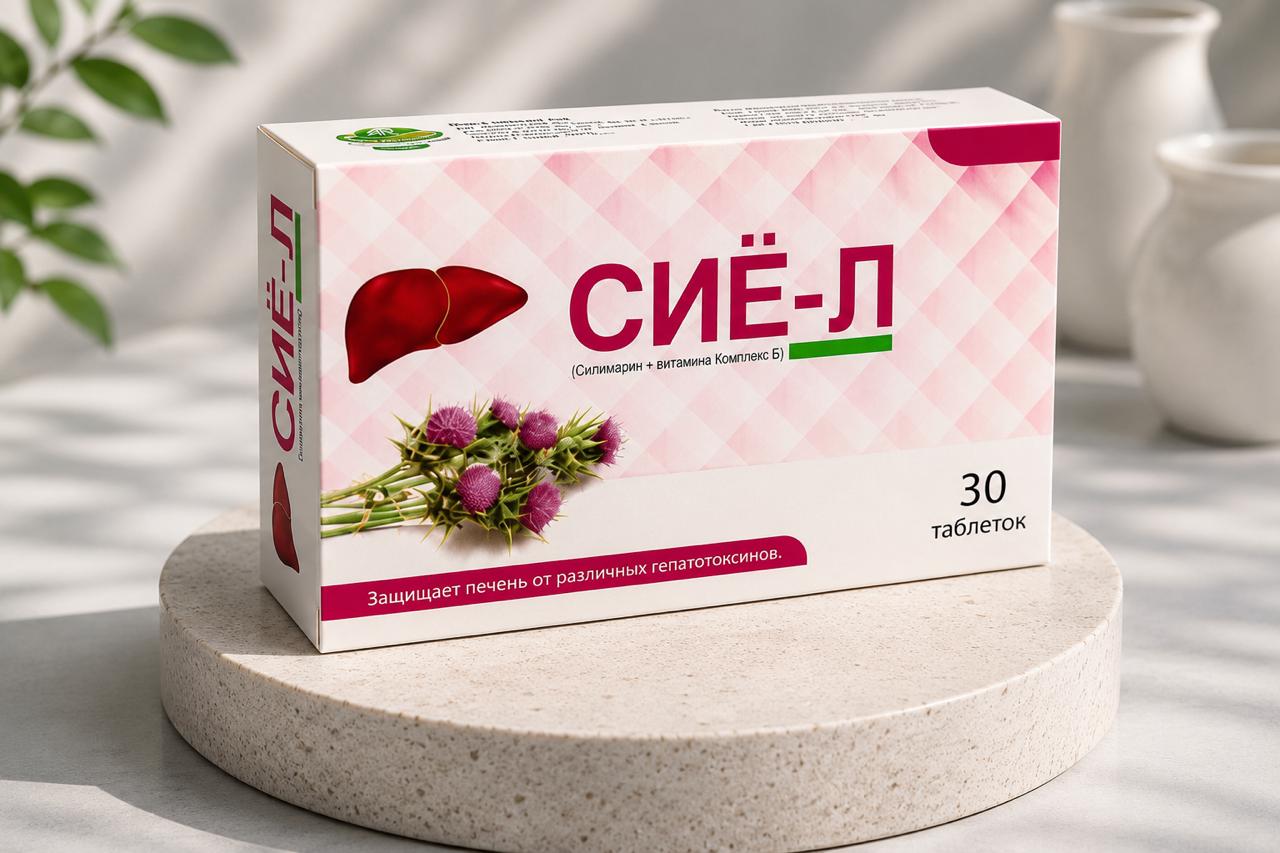
SIYO-L
Silimyrin(Milk thistle extract),Vitamin B1 (Thiamine),Vitamin B2 (Riboflavin ),Vitamin B3 Nicotineamide),Vitamin B6 (Pyridoxine),Vitamin B12(Cyanocobalamine).

Gluten Free

Sugar Free

Non-GMO
Third Party
Tested
100% Natural
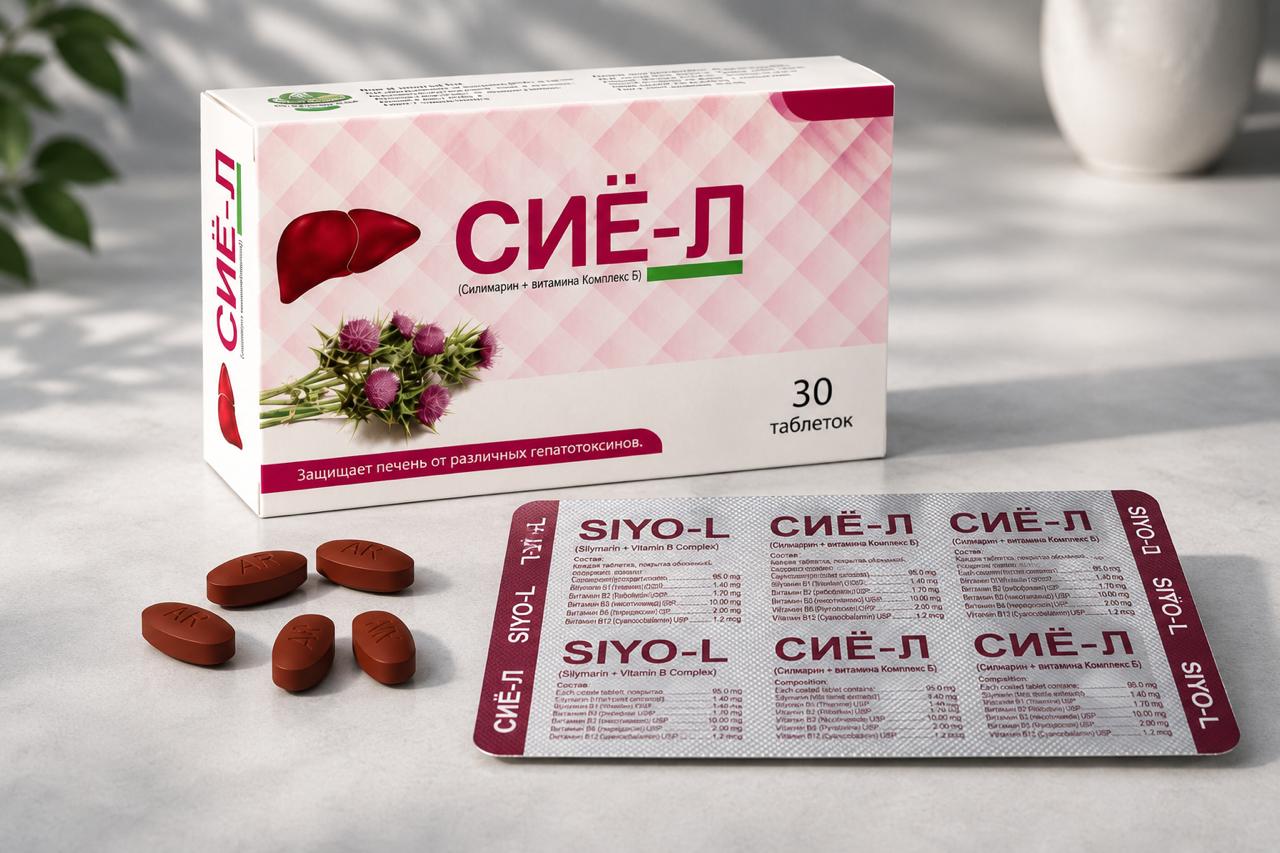
SIYO-L is Brown color, biconvex & oval shaped coated tablets.
Engraved A.R on one side & plain on other side.
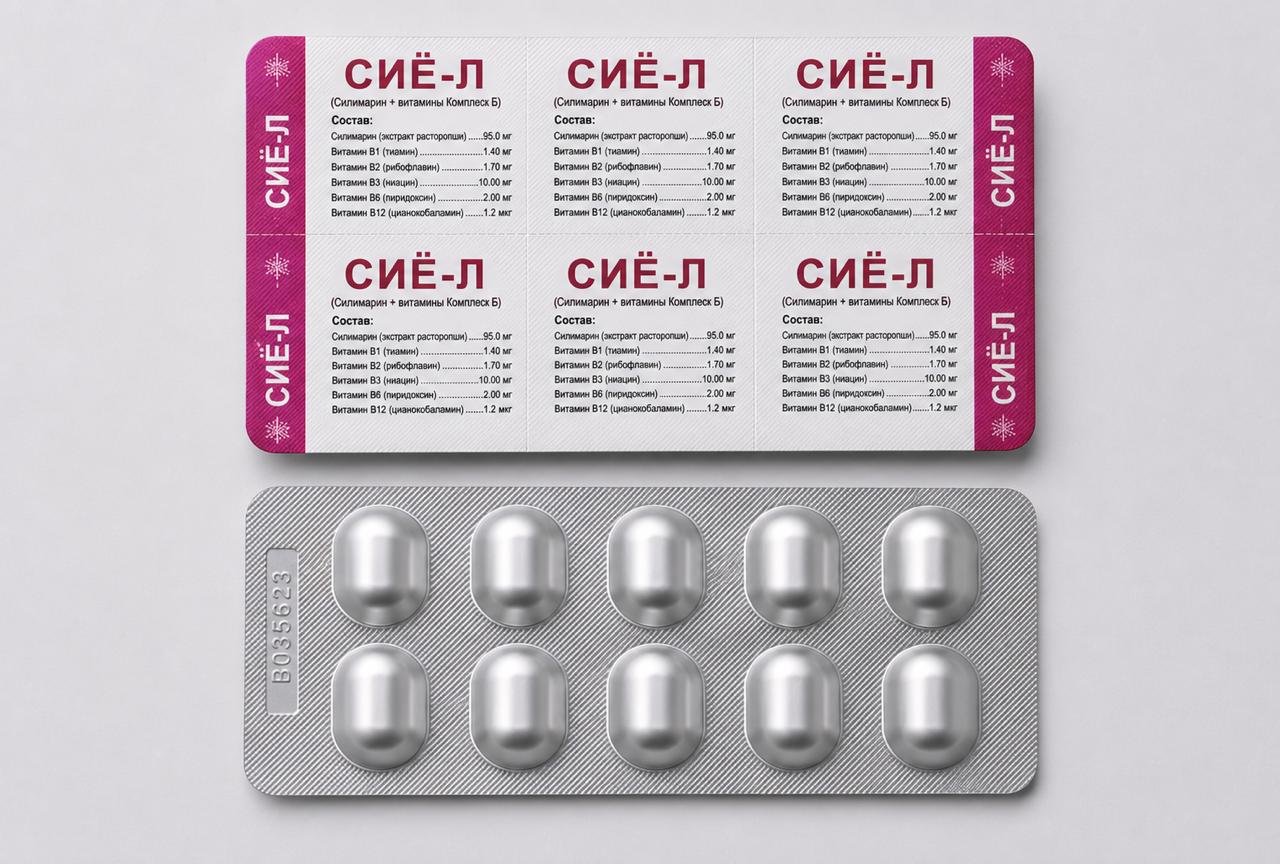
SIYO-L Coated Tablets is a combination of Silimyrin(Milk thistle extract),Vitamin B1 (Thiamine),Vitamin B2 (Riboflavin ),Vitamin B3
Nicotineamide),Vitamin B6 (Pyridoxine),Vitamin B12(Cyanocobalamine). 3 x 10’s tablets are packed in alu-alu blister, is packed into unit carton along with a leaflet.
MANUFACTURED BY:
A.R. Nutraceutical Pharma (Pvt.) Ltd.
F-4/C Phase -II, Superhighway Industrial Zone, S.I.T.E-2 Karachi, Pakistan.
Registered/enlisted as “Food Supplement / Nutraceuticals / Nutraceutical Supplements. Not for the treatment of any disease.
COMPOSITION:
| Active Ingredient | Each coated tablet contains |
|---|---|
| Silimyrin (Milk thistle extract) BP | 95.0 mg |
| Vitamin B1 (Thiamine) USP | 1.40 mg |
| Vitamin B2 (Riboflavin) USP | 1.70 mg |
| Vitamin B3 (Nicotineamide) USP | 10.00 mg |
| Vitamin B6 (Pyridoxine) USP | 2.00 mg |
| Vitamin B12 (Cyanocobalamine) USP | 1.2 mcg |
MASTER INGREDIENTS:
Silimyrin(Milk thistle extract) BP
Vitamin B1 (Thiamine) USP
Vitamin B2 (Riboflavin) USP
Vitamin B3 (Nicotineamide) USP
Vitamin B6 (Pyridoxine) USP
Vitamin B12 (Cyanocobalamine) USP
AUXILLARY INGREDIENTS:
Avecil
PVP K30
Maize Starch
Lactose Monohydrate
Talcum
Magnesium Stearate
Iso propyl Alchol 99%
Deionized water
HPMC
FD&C Egg yolk color
Titanium Dioxide
PEG 6000
DESCRIPTION:
SIYO-L is Brown color, biconvex & oval shaped coated tablets.Engraved A.R on one side & plain on other side.
SIYO-L Coated Tablets is a combination of Silimyrin(Milk thistle extract),Vitamin B1 (Thiamine),Vitamin B2 (Riboflavin ),Vitamin B3 Nicotineamide),Vitamin B6 (Pyridoxine),Vitamin B12(Cyanocobalamine).
Milk thistle (silymarin): Milk thistle (silymarin) is a flowering herb related to the daisy and ragweed family. Some people also call it Mary thistle and holy thistle.
Milk thistle is taken by mouth most often for liver disorders, including liver damage caused by chemicals, alcohol, and chemotherapy, as well as liver damage caused by Amanita mushroom poisoning, nonalcoholic fatty liver disease, chronic inflammatory liver disease, cirrhosis of the liver, and chronic hepatitis.Milk thistle seed might protect liver cells from toxic chemicals and drugs. It also seems to have blood sugar-lowering, antioxidant, and anti-inflammatory effects.
Thiamine (vitamin B1: It is found in many foods (such as yeast, cereal grains, beans, nuts, and meat.) It’s often used in combination with other B vitamins and is used to treat low thiamine, beriberi, certain nerve diseases, and It also helps maintain proper nerve function ,Wernicke-Korsakoff syndrome (WKS).Thiamine is required by our bodies to properly use carbohydrates. People take thiamine for conditions related to low levels of thiamine, including beriberi and inflammation of the nerves (neuritis).
Riboflavin B2: Riboflavin is vitamin B2. It is widely found in both plant- and animal-based foods, including milk, meat, eggs, nuts, enriched flour, and green vegetables. It’s required for the proper development of the skin, lining of the digestive tract, blood cells, and brain function.
Commonly use riboflavin to prevent riboflavin deficiency, for migraine, and for high levels of homocysteine in the blood. It’s also used for acne, muscle cramps, and many other conditions, but there is no good scientific evidence to support these other uses.
Niacinamide: Niacinamide, also called nicotinamide, is a form of vitamin B3. It’s found in many foods including meat, fish, milk, eggs, green vegetables, and cereals.
Niacinamide is required for the function of fats and sugars in the body and to maintain healthy cells. Niacin is converted to niacinamide when it is taken in amounts greater than what is needed by the body.
People use niacinamide to prevent vitamin B3 deficiency and related conditions such as pellagra. It is also used for acne, diabetes, cancer, osteoarthritis, aging skin, skin discoloration, and many other conditions, but there is no good scientific evidence to support most of these uses.
Pyridoxine (vitamin B6): Vitamin B6 is a type of B vitamin. Pyridoxine, pyridoxal, and pyridoxamine are all forms of vitamin B6.It is found in cereals, legumes, and eggs, and often used.This vitamin B6 is needed for the proper function of sugars, fats, and proteins in the body. It’s also necessary for the development of the brain, nerves, skin, and many other parts of the body. People commonly use vitamin B6 for preventing and treating vitamin B6 deficiency. It is also used for heart disease, premenstrual syndrome (PMS), depression, morning sickness, Alzheimer disease, menstrual cramps, diabetes.
Cyanocobalamine (Vitamin B 12): Vitamin B12 is an essential vitamin found in foods such as meat, fish, and dairy. It can also be made in a lab and is often taken with other B vitamins.
Vitamin B12 is required for the function and development of many parts of the body, including the brain, nerves, and blood cells. Methylcobalamin is the active form of vitamin B12. Cyanocobalamin, which must be processed by the body into the active form, is the most common type used in supplements.
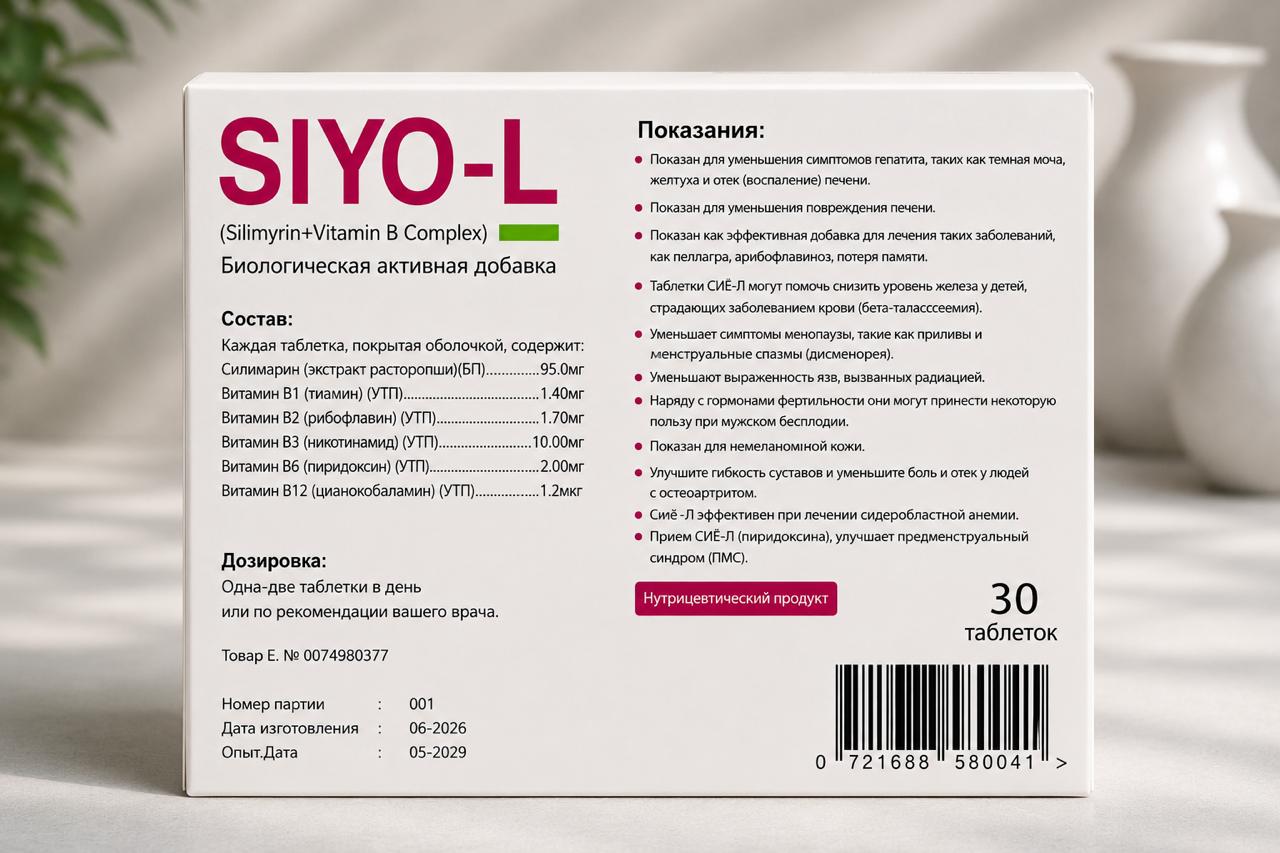
INDICATIONS / BENEFITS:
● Together with conventional treatment Siyo-L tablets might help treat kidney disease in people with diabetes.
● Indicated to reduce hepatitis symptoms, such as dark urine ,jaundice & swelling (inflammation) of the liver.
● Indicated as an effective supplement to treat disease cause due to Vitamin deficiencies like pellagra (disease cause by niacin deficiency ), ariboflavinosis (Riboflavin deficiency),memory loss (Vitamin B12 deficiency)
● Siyo-L tablets might help to decrease iron levels better than conventional medicine alone In children suffer from a blood disorder ((beta-thalassemia).
● Indicated to reduces menopausal symptoms such as hot flashes & menstrual cramps (dysmenorrhea).
● Indicated to reduce liver damage caused by low levels of oxygen in the blood.
● Helps to decrease the severity of ulcers in the mouth and gut caused by radiation.
● along with fertility hormones might provide some benefits for people undergoing in vitro fertilization due to male infertility.
● Decreases the symptoms of ulcerative colitis and helps maintain remission.
● Indicated to manage hypophosphatemia.
● Indicated in hyperhomocysteinemia in people with a specific gene type.
● Siyo-L is Indicated for nonmelanoma skin, help prevent new skin cancer or precancerous spots.
● Indicated to improve joint flexibility and reduce pain and swelling in people with osteoarthritis.
● Siyo-L is effective for treating an inherited type of anemia called sideroblastic anemia.
● Taking Siyo-L (pyridoxine) improve Premenstrual syndrome (PMS). symptoms including breast pain.
Milk thistle (silymarin): Possibly Effective for
Diabetes. Taking milk thistle extracts 210-600 mg daily seems to reduce blood sugar in people with diabetes. Taking milk thistle extract with tree turmeric extract also seems to reduce blood glucose levels in people with diabetes.
(beta-thalassemia). A blood disorder that reduces levels of protein in the blood called hemoglobin
(beta-thalassemia). Early research in children with this blood disorder shows that taking a specific milk thistle extract for 6-9 months, along with conventional medicine, might decrease iron levels better than conventional medicine alone.
(diabetic nephropathy). Kidney disease in people with diabetes (diabetic nephropathy). Early research shows that taking milk thistle extract together with conventional treatment might help treat kidney disease in people with diabetes.
Hay fever. Some research shows that taking milk thistle extract by mouth along with the allergy medication cetirizine (Zyrtec) reduces seasonal allergies more than taking cetirizine alone.
Swelling (inflammation) of the liver (hepatitis). Research on the effects of milk thistle in people with hepatitis is not consistent. Some research shows that taking milk thistle extract by mouth for 4 weeks reduces hepatitis symptoms, such as dark urine and jaundice, but does not improve liver function tests. But taking a product containing the milk thistle constituent silybin plus phosphatidylcholine by mouth for 2 weeks to 3 months might improve some liver function tests.
Reduce Liver damage caused by low oxygen levels. Early research shows that taking milk thistle extract might reduce liver damage caused by low levels of oxygen in the blood.
Inability to become pregnant within a year of trying to conceive (infertility).
Early research shows that taking milk thistle extract along with fertility hormones might provide some benefits for people undergoing in vitro fertilization due to male infertility.
Symptoms of menopause. Early research suggests that milk thistle reduces menopausal symptoms such as hot flashes.
Inflammation and ulcers (mucositis) caused by radiation. Early research shows that taking milk thistle extract starting on the first day of radiation and continuing for 6 weeks thereafter decreases the severity of ulcers in the mouth and gut caused by radiation.
A type of inflammatory bowel disease (ulcerative colitis). Early research shows that taking milk thistle extract by mouth for 6 months, in addition to standard medications, decreases the symptoms of ulcerative colitis and helps maintain remission.
Thiamine (vitamin B1:
Effective for
● Thiamine deficiency. Taking thiamine by mouth helps prevent and treat thiamine deficiency.
● Menstrual cramps (dysmenorrhea). Taking thiamine by mouth seems to reduce menstrual pain in teenagers and young females.
Riboflavin:
Effective for
● Riboflavin deficiency (ariboflavinosis). Taking riboflavin by mouth can increase levels of riboflavin in the body, helping to treat and prevent riboflavin deficiency.
Possibly Effective for
● High levels of homocysteine in the blood (hyperhomocysteinemia). Taking riboflavin by mouth for 12 weeks decreases levels of homocysteine by up to 40% in some people with a specific gene type.
● Migraine. Taking high-dose riboflavin by mouth seems to modestly reduce the number and severity of migraine headaches in adults. It’s unclear if it helps children.
Nicotinamide
Likely Effective for
● A disease cause by niacin deficiency (pellagra). Niacinamide prescription products are US FDA approved for preventing and treating pellagra. It’s sometimes preferred over niacin because it doesn’t cause flushing, a side effect of niacin treatment.
Possibly Effective for
● Diabetes. Taking niacinamide by mouth might help slow the progression of type 1 diabetes. But it doesn’t seem to prevent diabetes.
● High levels of phosphate in the blood (hyperphosphatemia). In people who need hemodialysis due to kidney failure and have high levels of phosphate, taking niacinamide by mouth seems to help decrease phosphate levels.
● Nonmelanoma skin cancer. Taking niacinamide by mouth seems to help prevent new skin cancer or precancerous spots from forming in people with a history of nonmelanoma skin
● Osteoarthritis. Taking niacinamide by mouth seems to improve joint flexibility and reduce pain and swelling in people with osteoarthritis.
Pyridoxine (vitamin B6):
Effective for
● A condition in which the body makes abnormal red blood cells that build up iron (sideroblastic anemia). Taking vitamin B6 by mouth is effective for treating an inherited type of anemia called sideroblastic anemia.
● Vitamin B6 deficiency. Taking vitamin B6 by mouth is effective for preventing and treating vitamin B6 deficiency.
Likely Effective for
● High levels of homocysteine in the blood (hyperhomocysteinemia). Taking vitamin B6 by mouth, usually with folic acid, is effective for treating high homocysteine levels in the blood.
Possibly Effective for
● High levels of a hormone called prolactin (hyperprolactinemia) caused by antipsychotic drugs. Taking vitamin B6 by mouth reduces levels of prolactin in males with this condition.
● Kidney stones. Taking vitamin B6 by mouth, alone or along with magnesium, can decrease the risk of kidney stones, especially in people with an inherited condition that causes kidney stones.
● Morning sickness. Taking vitamin B6 by mouth improves symptoms of mild to moderate nausea and vomiting during pregnancy. Vitamin B6 plus the drug doxylamine is recommended for those who don’t get better when taking vitamin B6 alone.
● Premenstrual syndrome (PMS). Taking vitamin B6 (pyridoxine) by mouth seems to improve PMS symptoms including breast pain. The lowest effective dose should be used. Higher doses will increase the chance of side effects and aren’t likely to increase benefits.
Cyanocobalamine (Vitamin B 12):
Effective for
● A rare inherited condition marked by vitamin B12 deficiency (Imerslund-Grasbeck disease). Injecting vitamin B12 as a shot for 10 days followed by monthly injections is Vitamin B12 deficiency. Taking vitamin B12 by mouth, as a shot, or inhaling through the nose can treat and prevent vitamin B12 deficiency. Vitamin B12 shots can only be given by a healthcare provider.
Likely Effective for
● Cyanide poisoning. Administering hydroxocobalamin (Cyanokit), a natural form of vitamin B12, as a shot is likely effective for treating cyanide poisoning. It has been approved by the US FDA for this use. Vitamin B12 shots can only be given by a healthcare provider.
Possibly Effective for
● High levels of homocysteine in the blood (hyperhomocysteinemia). Taking vitamin B12 by mouth, along with folic acid and sometimes pyridoxine (vitamin B6), can lower blood levels of homocysteine.
Milk thistle (silymarin):
When taken by mouth: Milk thistle extract is LIKELY SAFE for most people when taken by mouth. In some people, taking milk thistle extract can cause diarrhea, nausea, intestinal gas, fullness, loss of appetite, and possibly headache.
Thiamine (vitamin B1: When taken by mouth: Thiamine is commonly consumed in the diet and is likely safe when taken in appropriate amounts.
Riboflavin: When taken by mouth: Riboflavin is likely safe for most people in doses of up to 400 mg daily. In some people, riboflavin can cause the urine to turn a bright yellow color. It may also cause nausea.
Nicotinamide: When taken by mouth: Niacinamide is likely safe when used appropriately. Prescription products containing niacinamide are safe when taken as directed. Niacinamide-containing foods or supplements are safe when taken in doses lower than 35 mg daily. Niacinamide is possibly safe when taken in doses up to 900-1500 mg daily. It might cause side effects such as stomach upset, gas, dizziness, headache, and rash. When applied to the skin: Niacinamide is possibly safe. Niacinamide cream might cause mild burning, itching, or redness.
Pyridoxine (vitamin B6): When taken by mouth: Vitamin B6 is likely safe when used appropriately. Taking vitamin B6 in doses of 100 mg daily or less is generally considered to be safe. Vitamin B6 is possibly safe when taken in doses of 101-200 mg daily. In some people, vitamin B6 might cause nausea, stomach pain, loss of appetite, headache, and other side effects. Vitamin B6 is possibly unsafe when taken in doses of 500 mg or more daily. High doses of vitamin B6, especially 1000 mg or more daily, might cause brain and nerve problems.
Cyanocobalamine (Vitamin B 12): When taken by mouth: Vitamin B12 is likely safe for most people. Vitamin B12 is considered safe even in large doses.
Milk thistle (silymarin): When taken by mouth: Milk thistle extract is LIKELY SAFE for most people when taken by mouth. I n some people, it can cause diarrhea, nausea, intestinal gas, fullness, loss of appetite, and possibly headache.
Pregnancy and breast-feeding: There isn’t enough reliable information to know if milk thistle is safe to use when pregnant or breast-feeding. Stay on the safe side and avoid use.
Children: Milk thistle is POSSIBLY SAFE when taken by mouth, appropriately, for up to 9 months in children 1 year of age and older.
Allergy to ragweed and related plants: Milk thistle may cause an allergic reaction in people who are sensitive to the Asteraceae/Compositae plant family. Members of this family include ragweed, chrysanthemums, marigolds, daisies, and many others. If you have allergies, be sure to check with your healthcare provider before taking milk thistle.
Hormone-sensitive conditions such as breast cancer, uterine cancer, ovarian cancer, endometriosis, or uterine fibroids: Milk thistle extracts might act like estrogen. I f you have any condition that might be made worse by exposure to estrogen, don’t use these extracts.
Thiamine (vitamin B1: When taken by mouth: Thiamine is commonly consumed in the diet and is likely safe when taken in appropriate amounts.
Pregnancy and breast-feeding: Thiamine is likely safe when taken by mouth as part of the diet. There isn’t enough reliable information to know if higher doses are safe to use when pregnant and breast-feeding.
Children: Thiamine is likely safe when taken by mouth as part of the diet. There isn’t enough reliable information to know if higher doses are safe or what the side effects might be.
Alcohol use disorder: People with alcohol use disorder often have low levels of thiamine and might need thiamine supplements. Nerve pain from alcohol use disorder can be worsened when thiamine levels are low.
Hemodialysis: People undergoing hemodialysis treatments might have low levels of thiamine and might need thiamine supplements.
Liver disease: People with chronic liver disease often have low levels of thiamine and might need thiamine supplements.
Riboflavin: When taken by mouth: Riboflavin is likely safe for most people in doses of up to 400 mg daily. In some people, riboflavin can cause the urine to turn a bright yellow color. It may also cause nausea.
Pregnancy and breast-feeding: Riboflavin is likely safe when consumed in amounts commonly found in foods. The recommended intake is 1.4 mg daily during pregnancy and 1.6 mg daily during lactation.
Children: Riboflavin is likely safe for most children when consumed in amounts commonly found in foods. Higher doses of 100-200 mg daily have also been safely used.
Liver disease: Riboflavin absorption is decreased in people with liver disease.
Nicotinamide: When taken by mouth: Niacinamide-containing foods or supplements are safe when taken in doses lower than 35 mg daily. Niacinamide is possibly safe when taken in doses up to 900-1500 mg daily. It might cause side effects such as stomach upset, gas, dizziness, headache, and rash.
Pregnancy and breast-feeding: Niacinamide is likely safe when taken in recommended amounts. The maximum recommended amount while pregnant or breast-feeding is 30 mg daily for those under 18 years of age, and 35 mg daily for those over 18 years of age.
Children: Niacinamide is likely safe when taken by mouth in the recommended amounts by age. Children should avoid taking niacinamide doses above the daily upper limits, which are 10 mg for children 1-3 years of age, 15 mg for children 4-8 years of age, 20 mg for children 9-13 years of age, and 30 mg for children 14-18 years of age.
Diabetes: Niacinamide might increase blood sugar. People with diabetes who take niacinamide should check their blood sugar regularly.
Gallbladder disease: Niacinamide might make gallbladder disease worse.
Kidney dialysis: Taking niacinamide seems to increase the risk of low platelet levels in people with kidney failure who are on dialysis.
Stomach or intestinal ulcers: Niacinamide might make ulcers worse. Don’t use it if you have ulcers.
Pyridoxine: When taken by mouth:Taking vitamin B6 in doses of 100 mg daily or less is generally considered to be safe. Vitamin B6 is possibly safe when taken in doses of 101-200 mg daily. In some people, vitamin B6 might cause nausea, stomach pain, loss of appetite, headache, and other side effects. Vitamin B6 is possibly unsafe when taken in doses of 500 mg or more daily. High doses of vitamin B6, especially 1000 mg or more daily, might cause brain and nerve problems.
Pregnancy: Vitamin B6 is likely safe when taken by mouth, appropriately. I t’s sometimes used to control morning sickness, but should only be done so under the supervision of a healthcare provider. Taking high doses is possibly unsafe. High doses might cause newborns to have seizures.
Breast-feeding: Vitamin B6 is likely safe when taken in doses of 2 mg by mouth daily. Avoid using higher amounts. There isn’t enough reliable information to know if taking higher doses of vitamin B6 is safe when breast-feeding.
Post-surgical stent placement. Avoid using a combination of vitamin B6, folate, and vitamin B12 after receiving a coronary stent. This combination may increase the risk of blood vessel narrowing.
Weight loss surgery. Taking a vitamin B6 supplement is not needed for people that have had weight loss surgery. Taking too much might increase the chance of side effects such as nausea, vomiting, and browning skin.
Cyanocobalamine (Vitamin B12): When taken by mouth: Vitamin B12 is likely safe for most people. Vitamin B12 is considered safe even in large doses.
Pregnancy and breast-feeding: Vitamin B12 is likely safe when taken by mouth during pregnancy or breast-feeding in the amounts recommended. The recommended amount for pregnancy is 2.6 mcg per day. Those breast-feeding should take 2.8 mcg per day. The safety of larger amounts is unknown.
Post-surgical stent placement: Avoid using a combination of vitamin B12, folate, and vitamin B6 after receiving a coronary stent. This combination may increase the risk of blood vessel narrowing.
Milk thistle (silymarin): Moderate Interaction
Be cautious with this combination
Medications changed by the liver (Glucuronidated Drugs) interacts with MILK THISTLE
The body breaks down some medications to get rid of them. The liver helps break down these medications. Taking milk thistle might affect how well the liver breaks down drugs. This might increase or decrease how well some of these medications work.
Tamoxifen (Nolvadex) interacts with MILK THISTLE :Milk thistle might increase how much tamoxifen is absorbed by the body. This might increase the effects and side effects of tamoxifen. Before taking milk thistle, talk to your healthcare provider if you are taking tamoxifen.
Medications for diabetes (Antidiabetes drugs) interacts with MILK THISTLE:Milk thistle can lower blood sugar levels. Taking milk thistle along with diabetes medications might cause your blood sugar to be too low. Monitor your blood sugar closely. The dose of your diabetes medication might need to be changed.
Some medications used for diabetes: include glimepiride (Amaryl), glyburide (DiaBeta, Glynase PresTab, Micronase), insulin, metformin (Glucophage), pioglitazone (Actos), rosiglitazone (Avandia), and others.
Sirolimus (Rapamune) interacts with MILK THISTLE:It might decrease how well the liver breaks down sirolimus. This might increase the effects and side effects of sirolimus. Before taking milk thistle, talk to your healthcare provider if you are taking sirolimus.
Raloxifene (Evista) interacts with MILK THISTLE:Taking milk thistle might decrease how well the body breaks down raloxifene in the intestines. This might increase the effects and side effects of raloxifene. Before taking milk thistle, talk to your healthcare provider if you are taking raloxifene.
Medications moved by pumps in cells (P-Glycoprotein Substrates) interacts with MILK THISTLE:Some medications are moved by pumps in cells. Milk thistle might make these pumps less active and increase how much of some medications get absorbed by the body. This might cause more side effects from some medications.
Some medications that are moved by these pumps include etoposide, paclitaxel, vinblastine, vincristine, vindesine, ketoconazole, itraconazole, amprenavir, indinavir, nelfinavir, saquinavir, cimetidine, ranitidine, diltiazem, verapamil, digoxin, corticosteroids, erythromycin, cisapride (Propulsid), fexofenadine (Allegra), cyclosporine, loperamide (Imodium), quinidine, and others.
Morphine interacts with MILK THISTLE:Milk thistle might affect levels of morphine in the blood. This might increase or decrease the effects of morphine. Before taking milk thistle, talk to your healthcare provider if you are taking morphine.
Warfarin (Coumadin) interacts with MILK THISTLE:Warfarin (Coumadin) is used to slow blood clotting. Taking milk thistle might make warfarin too effective, which could increase the risk of bleeding. Before taking milk thistle, talk to your healthcare provider if you are taking warfarin.
Ledipasvir interacts with MI LK THI STLE:Taking milk thistle might decrease how quickly the body breaks down ledipasvir. This might increase the effects and side effects of ledipasvir.
Sofosbuvir interacts with MI LK THI STLE:Taking milk thistle might increase how quickly the body breaks down sofosbuvir. This might decrease the effects of sofosbuvir.
Medications changed by the liver (Cytochrome P450 2B6 (CYP2B6) substrates) interacts with MI LK THI STLE:Some medications are changed and broken down by the liver. Milk thistle might change how quickly the liver breaks down these medications. This could change the effects and side effects of these medications.
Minor Interaction
Be watchful with this combination
Estrogens interacts with MILK THISTLE: It increase how fast the body breaks down estrogen pills to get rid of them. Taking milk thistle along with estrogens might decrease the effectiveness of estrogen pills. Milk thistle contains a chemical called silymarin. Silymarin might be the part of milk thistle that helps the body break down estrogens.
Some estrogen pills include conjugated equine estrogens (Premarin), ethinyl estradiol, estradiol, and others.
Medications changed by the liver (Cytochrome P450 2C9 (CYP2C9) substrates) interacts with MILK THISTLE:Some medications are changed and broken down by the liver. Milk thistle might decrease how quickly the liver breaks down some medications. Taking milk thistle along with some medications that are broken down by the liver might increase the effects and side effects of these medications. Before taking milk thistle, talk to your healthcare provider if you take any medications that are changed by the liver.
Some medications that are changed by the liver include amitriptyline (Elavil), diazepam (Valium), zileuton (Zyflo), celecoxib (Celebrex), diclofenac (Voltaren), fluvastatin (Lescol), glipizide (Glucotrol), ibuprofen (Advil, Motrin), irbesartan (Avapro), losartan (Cozaar), phenytoin (Dilantin), piroxicam (Feldene), tamoxifen (Nolvadex), tolbutamide (Tolinase), torsemide (Demadex), warfarin (Coumadin), and others.
Medications used for lowering cholesterol (Statins) interacts with MILK THISTLE
Theoretically, milk thistle might change the levels of some medications used for lowering cholesterol (statins). This might decrease how well these medications work.
Some medications used for lowering cholesterol include atorvastatin (Lipitor), fluvastatin (Lescol), lovastatin (Mevacor), pravastatin (Pravachol), and rosuvastatin (Crestor).
Indinavir (Crixivan) interacts with MILK THISTLE:Indinavir is a drug that is changed and broken down by the liver. Milk thistle might increase how quickly the liver breaks down some medications. But milk thistle does not seem to affect how quickly the body breaks down indinavir.
Note:. If you take any medicines regularly, talk to your doctor before you start using milk thistle containing tablets .It could interact with many drugs, including some that treat high cholesterol, infections, insomnia, and blood pressure. Since milk thistle may lower blood sugar, people with diabetes should check with their doctor before taking the herb as it may make their blood sugar fall too low.
Thiamine (vitamin B1: Minor Interaction
Be watchful with this combination
● Trimethoprim (Proloprim) interacts with THIAMINE (VITAMIN B1):Thiamine is moved in and out of cells by pumps. Trimethoprim might change how these pumps work and increase how much thiamine stays in the body. In some cases, this might change the effects and side effects of thiamine.
Riboflavin: Moderate Interaction
Be cautious with this combination
● Antibiotics (Tetracycline antibiotics) interacts with RIBOFLAVIN:Riboflavin might decrease the amount of tetracyclines that the body can absorb. Taking riboflavin along with tetracyclines might decrease the effects of tetracyclines. To avoid this interaction, take riboflavin 2 hours before or 4 hours after taking tetracyclines.
Nicotinamide: Moderate Interaction
Be cautious with this combination
● Carbamazepine (Tegretol) interacts with NIACINAMIDE:Carbamazepine is broken down by the body. Niacinamide might decrease how fast the body breaks down carbamazepine. But it isn’t clear if this is a major concern.
● Medications that slow blood clotting (Anticoagulant / Antiplatelet drugs) interacts with NIACINAMIDE: Niacinamide might slow blood clotting. Taking niacinamide along with medications that also slow blood clotting might increase the risk of bruising and bleeding.
Pyridoxine (Vitamin B6): Major Interaction
Do not take this combination
● Phenytoin (Dilantin) interacts with PYRIDOXINE (VITAMIN B6):Vitamin B6 might increase how quickly the body breaks down phenytoin. Taking vitamin B6 along with phenytoin might decrease the effects of phenytoin and increase the risk of seizures. Do not take large doses of vitamin B6 if you are taking phenytoin.
Moderate Interaction
Be cautious with this combination
● Amiodarone (Cordarone) interacts with PYRIDOXINE (VITAMIN B6):Amiodarone might increase sensitivity to sunlight. Taking vitamin B6 along with amiodarone might increase the chances of sunburn, blistering, or rashes on areas of skin exposed to sunlight. Be sure to wear sunblock and protective clothing when spending time in the sun.
● Phenobarbital (Luminal) interacts with PYRIDOXINE (VITAMIN B6):Vitamin B6 might increase how quickly the body breaks down phenobarbital. This could decrease the effects of phenobarbital.
● Medications for high blood pressure (antihypertensive drugs) interacts with PYRIDOXINE (VITAMIN B6): Vitamin B6 might lower blood pressure. Taking high doses of vitamin B6 along with medications that lower blood pressure might cause blood pressure to go too low. Monitor your blood pressure closely.
Minor Interaction
Be watchful with this combination
● Levodopa interacts with PYRIDOXINE (VITAMIN B6):Vitamin B6 can increase how quickly the body breaks down and gets rid of levodopa. But this is only a problem if you are taking levodopa alone. Most people take levodopa along with carbidopa. Carbidopa prevents this interaction from occurring. If you are taking levodopa without carbidopa, do not take vitamin B6.
Cyanocobalamine (Vitamin B12)
We currently have no information for VITAMIN B12 Interactions.
(Recommended amount for children depend on age.)
Milk thistle (silymarin):
ADULTS:
For diabetes: Milk thistle extract 210-600 mg has been used daily for up to 6 months. 200 mg of milk thistle extract has been taken once daily or three times daily for 4 months to one year.
Thiamine (vitamin B1): For adult males, the RDA is 1.2 mg daily. For adult females 18 years of age, the RDA is 1 mg daily. For adult females 19 years and older, the RDA is 1.1 mg daily. The RDA during pregnancy and breastfeeding is 1.4 mg daily.
Riboflavin: For adult males, the RDA is 1.3 mg daily. For adult females, the RDA is 1.1 mg daily. During pregnancy, the RDA is 1.4 mg, and during breastfeeding, the RDA is 1.6 mg.
Nicotinamide: In males, the RDA is 16 mg NE. In females, the RDA is 14 mg NE. While pregnant, the RDA is 18 mg NE. While breast-feeding, the RDA is 17 mg NE. In children, the RDA depends on age.
Pyridoxine (Viyamin B6): For males, the RDA is 1.3 mg daily for those 19-50 years old, and 1.7 mg daily for those over 50 years. For females, the RDA is 1.3 mg daily for those 19-50 years old, and 1.5 mg daily for those over 50 years. While pregnant, the RDA is 1.9 mg daily. While breast-feeding, the RDA is 2 mg daily. I n children, the RDA depends on age.
Cyanocobalamine (Vitamin B12): The RDA is 2.4 mcg daily for people 18 years and older. While pregnant, the RDA is 2.6 mcg daily. While breastfeeding, the RDA is 2.8 mcg daily. In children, the RDA depends on age.25-100 mcg daily has been taken by mouth to maintain vitamin B12 levels in older adults.
Therefore, on view of above doses and a survey on different articles as a supplement
the recommended dose for SIYO-L COATED TABLETS is one to two tablets per day after meal or as directed by the
physician/your diet supplement advisor .
WARNING & PRECAUTION
● Use of any product /supplement if cause any adverse reaction, stop use and consult your doctor or diet guidance.
● Before taking SIYO-L Coated Tablet, tell your doctor or pharmacist if you are allergic to it; or if you have any other allergies.
● SIYO-L Coated Tablet should avoid or if use should be used with high precaution and monitoring during using the medicines mentioned under the heading of Interactions.
● Food Supplements should not be used as a substitute for a varied and balanced diet and healthy lifestyle. No medical claims are made or implied for any product and these are being sold as Nutritional/Dietary Supplements. Use as suggested or as advised by health provider.
INSTRUCTION / STORAGE AND DISPOSAL:
Store at room temperature between 15°C and 30°C.
Keep medicine /supplement away from heat, light and moisture
Do not use after expiry date stated on the label.